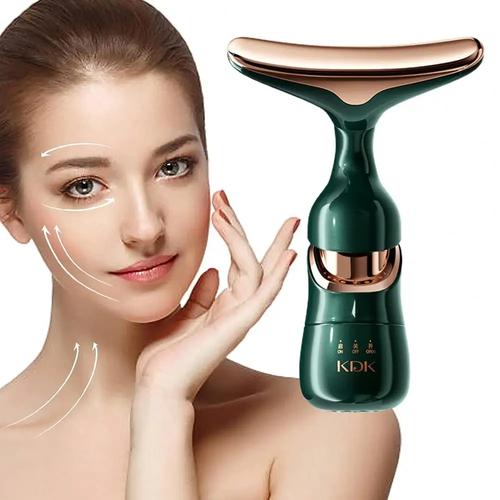
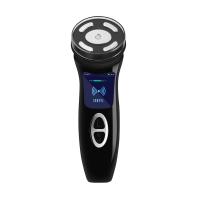
Microcurrent Facial Device Ultimate Guide 2024: How to Choose the Best Skin Tightening Tool_18
The Rising Demand for Microcurrent Facial Devices
The global microcurrent device market is projected to reach $1.2 billion by 2027, growing at 7.8% CAGR according to Grand View Research. As consumers increasingly seek non-invasive alternatives to cosmetic procedures, microcurrent facial devices have emerged as the go-to solution for professional estheticians and home users alike. This comprehensive guide will help you navigate the crowded market, understand technical specifications, and make informed purchasing decisions.
Microcurrent vs. Alternative Skin Tightening Technologies
| Technology | Microcurrent | RF | Ultrasound | LED |
|---|---|---|---|---|
| Treatment Depth | Muscle layer | Dermis | Subcutaneous | Epidermis |
| Downtime | None | Possible redness | Possible swelling | None |
| Results Timeline | Immediate + Cumulative | 4-6 weeks | 8-12 weeks | 6-8 weeks |
7 Must-Check Features for Professional Microcurrent Devices
- FDA-cleared intensity levels (100-500μA)
- Multi-frequency settings (0.3-1000Hz)
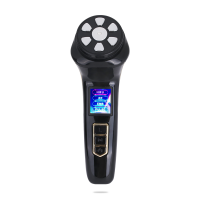
- Medical-grade conductive probes
- Ergonomic handpiece design
- Smart auto-shutoff function
- IPX6 waterproof rating
- 2-year manufacturer warranty
Technical Specifications Explained
Modern microcurrent devices utilize three waveform types: square (for muscle stimulation), sinusoidal (for circulation), and sawtooth (for product penetration). The optimal microcurrent range for facial applications is 300-600 microamps, capable of triggering ATP production without causing discomfort. Leading manufacturers like NuFACE and Ziip use gold-plated conductors to ensure consistent current delivery.
Regional Market Trends
North America dominates 42% of global microcurrent device sales, with particular demand for hybrid devices combining galvanic and microcurrent functions. The European market shows preference for CE-certified devices with multi-lingual interfaces, while Southeast Asian consumers prioritize compact, travel-friendly designs.
Frequently Asked Questions
Q: Can microcurrent devices replace professional facials?
A: While providing similar benefits, professional treatments deliver more intensive results. Home devices are designed for maintenance between salon visits.
Q: What certifications should I look for?
A: Prioritize FDA-cleared (US), CE-marked (EU), and RoHS-compliant devices. Medical-grade devices will have ISO 13485 certification.
Q: Are there import restrictions?
A: Most countries classify microcurrent devices as cosmetic tools rather than medical devices, simplifying customs clearance. Always check local regulations for battery-powered devices.