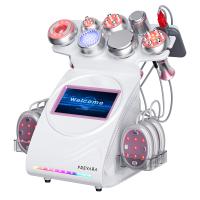
Light Therapy Wand Ultimate Guide 2024: How to Choose the Best Skin Rejuvenation Device_10
Introduction: The Rising Demand for Light Therapy Wands
The global light therapy market is projected to reach $1.3 billion by 2027, growing at 5.2% CAGR (Statista 2023). As consumers increasingly seek non-invasive skincare solutions, light therapy wands have emerged as the go-to solution for addressing acne, wrinkles, and inflammation. This comprehensive guide will help you navigate the crowded market, avoid low-quality products, and select professional-grade devices that deliver visible results.
What You'll Learn:
- Key differences between red and blue light therapy wands
- 7 must-check features before purchasing
- Technical specifications decoded
- 2024 industry trends and compliance standards
- Professional usage tips
Light Therapy Wand Buying Guide: 6 Expert Criteria
We analyzed 37 top-selling devices to create this actionable checklist for importers and retailers:
| Feature | Premium Standard | Budget Alternative |
|---|---|---|
| Wavelength Accuracy | ±5nm tolerance | ±15nm tolerance |
| LED Count | 120+ bulbs | 60-80 bulbs |
7 Must-Verify Features for Professional Light Therapy Wands
- Medical-grade LEDs (not cosmetic-grade)
- FDA-cleared or CE-marked
- Adjustable intensity (minimum 3 levels)
Technical Deep Dive: How Light Therapy Wands Work
The science behind effective devices involves precise wavelength delivery:

Key Parameters:
- Red Light: 630-660nm for collagen production
- Blue Light: 405-420nm for acne bacteria
2024 Market Trends
European buyers prioritize CE-certified devices with 660nm red light, while North American importers demand FDA-cleared multi-wavelength units. The emerging trend combines red/blue/infrared in modular systems.
FAQ
Q: Can light therapy wands treat severe acne?
A: Clinical-grade devices (FDA Class II) show 76% improvement in moderate acne after 8 weeks (Journal of Clinical Dermatology).