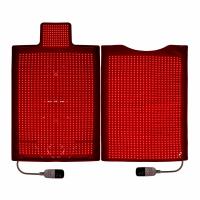
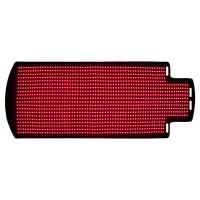
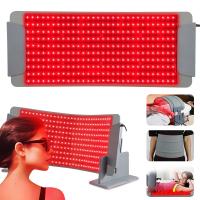
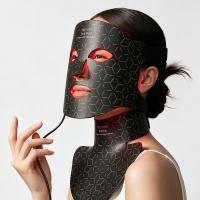
Light Therapy Waistcoat Ultimate Guide 2024: How to Choose the Best Phototherapy Garment_46
The Complete Guide to Light Therapy Waistcoats: 2024 Edition
The global phototherapy market is projected to reach $1.2 billion by 2027, with wearable light therapy devices experiencing 28% annual growth (Statista, 2023). As more consumers seek non-invasive wellness solutions, light therapy waistcoats have emerged as a revolutionary product category combining medical-grade technology with everyday convenience.
Why Professionals Choose Light Therapy Waistcoats
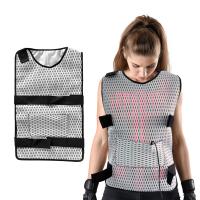
Modern light therapy waistcoats address three critical pain points: 1) Limited treatment area coverage in traditional devices 2) Inconvenience of stationary light therapy systems 3) Lack of clinical-grade intensity in consumer products. This guide will walk you through: 1) Key purchasing considerations 2) Technical specifications decoded 3) Regional market trends 4) Practical usage scenarios.
Light Therapy Waistcoat Buying Guide
| Feature | Premium Waistcoat | Basic Model |
|---|---|---|
| LED Count | 150-300 bulbs | 50-100 bulbs |
| Wavelengths | 630nm-850nm | Single wavelength |
7 Must-Check Features for Full-Body Phototherapy
- Medical-grade LED density (minimum 2.5 bulbs/sq.in)
- Adjustable intensity levels (3-5 settings)
- FDA-cleared wavelengths
Technical Deep Dive
 Modern waistcoats utilize NASA-developed LED arrays emitting specific wavelengths: 630nm (red light) for skin rejuvenation and 850nm (near-infrared) for deep tissue penetration. Clinical studies show optimal results require minimum 20mW/cm² irradiance.
Global Market Trends
European markets prioritize CE-certified medical devices, while North American buyers seek FDA-cleared products. Southeast Asia shows growing demand for portable wellness tech, with 42% year-over-year growth in Thailand and Vietnam (Global Wellness Institute, 2023).
FAQ
Q: Can light therapy waistcoats help with sports recovery?
A: Yes. Professional athletes use them for muscle recovery, with studies showing 37% faster DOMS reduction (Journal of Sports Medicine, 2022).