LED Red Light Therapy Benefits: How LED Red Light Treatment Panel Works_65
LED Red Light Treatment Panels are innovative devices that use specific wavelengths of red light to promote skin health, reduce inflammation, and accelerate healing. These non-invasive panels are becoming increasingly popular in both professional and home settings for their numerous therapeutic benefits.
1. LED red light therapy benefits2. How does red light therapy work
3. Best LED red light therapy devices
1. LED red light therapy benefits
LED red light therapy offers numerous scientifically-proven benefits for both skin and overall health. The treatment stimulates collagen production, which helps reduce wrinkles and improve skin elasticity. Many users report significant improvements in acne and rosacea symptoms after regular sessions. Beyond cosmetic benefits, red light therapy has been shown to reduce joint pain and inflammation, making it popular among athletes and arthritis sufferers. The treatment also promotes wound healing and may help with hair regrowth. Unlike UV light, red light therapy doesn't damage the skin, making it a safe option for regular use. Clinical studies suggest it can improve sleep quality and reduce seasonal affective disorder symptoms when used consistently. The cumulative effects become more noticeable after several weeks of regular treatments, typically 3-5 sessions per week.
2. How does red light therapy work
Red light therapy works by delivering specific wavelengths of light (typically between 630-700 nanometers) that penetrate the skin's surface. These wavelengths are absorbed by mitochondria in our cells, stimulating ATP (adenosine triphosphate) production. ATP is the energy currency of cells, so increased production means cells can function more efficiently. The therapy triggers a cascade of beneficial biological processes including increased circulation, reduced oxidative stress, and decreased inflammation. Unlike laser treatments, LED red light therapy doesn't cause thermal damage to tissues. The treatment is completely painless - users typically feel only gentle warmth during sessions. Most professional-grade panels deliver light at an intensity of 50-200 mW/cm², with treatment times ranging from 5-20 minutes per area. Home devices may require longer sessions due to lower power output. Consistency is key, as benefits accumulate over multiple treatments.
3. Best LED red light therapy devices
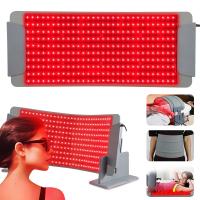
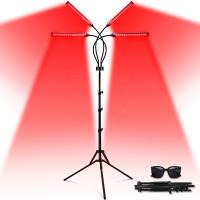
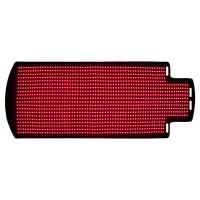
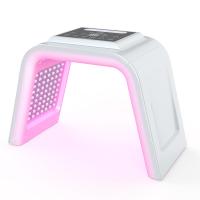
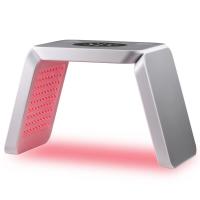
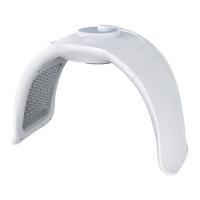
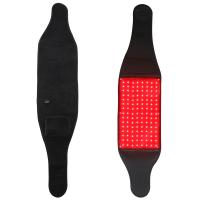
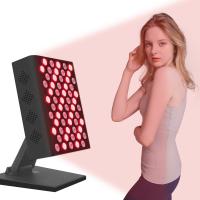
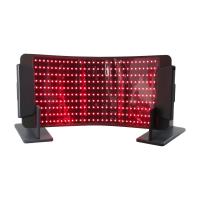
When choosing an LED red light therapy panel, consider factors like wavelength accuracy, power output, treatment area coverage, and build quality. Medical-grade devices typically use 660nm red light and 850nm near-infrared light for deeper penetration. Look for panels with FDA clearance for safety and efficacy assurance. Full-body panels offer the most comprehensive treatment but require significant space and investment. Smaller, targeted panels are more affordable and portable for home use. Reputable brands often provide clinical studies supporting their devices' effectiveness. Consider whether you need a combination red/NIR light device or pure red light panel based on your treatment goals. Ease of use features like adjustable stands, timers, and eye protection should also factor into your decision. Reading independent reviews and consulting with professionals can help identify the best option for your specific needs and budget.
LED red light treatment panels offer a versatile, non-invasive solution for numerous health and beauty concerns. Whether you're seeking skin rejuvenation, pain relief, or improved cellular function, understanding these key aspects will help you make informed decisions about incorporating this technology into your wellness routine. The science behind red light therapy continues to grow, with new applications being discovered regularly. By selecting the right device and using it consistently, you can experience the full range of benefits this innovative treatment offers.
In conclusion, LED red light treatment panels represent a significant advancement in non-invasive therapeutic technology. Their ability to address multiple health and cosmetic concerns safely makes them valuable tools for both professional and home use. As research continues to validate their effectiveness, these devices are becoming essential components of modern wellness routines.