Laser Therapy Cap Ultimate Guide 2024: How to Choose the Best Hair Growth Solution_72
The Complete Guide to Laser Therapy Caps in 2024
The global hair growth market is projected to reach $12.1 billion by 2026, with laser therapy emerging as the fastest-growing segment (Statista 2023). As thinning hair affects 85 million Americans, consumers increasingly seek non-invasive solutions like laser therapy caps that combine clinical efficacy with home convenience.
Laser Therapy Cap Buying Guide: 7 Must-Check Features
When comparing laser caps to alternatives like minoxidil or hair transplants, consider these key factors:
| Feature | Laser Cap | Topical Solutions | Transplants |
|---|---|---|---|
| Treatment Duration | 30 min/session | Daily application | 4-8 hour procedure |
FDA Cleared vs. Cosmetic Grade: What Dermatologists Recommend
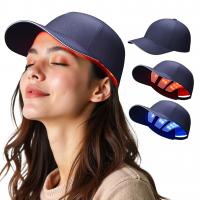
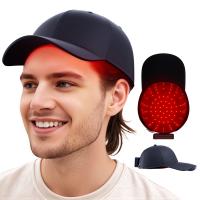
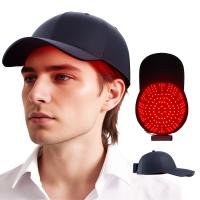
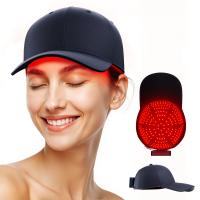
Medical-grade devices like CapillusPro use 650nm wavelength lasers clinically proven to stimulate follicles. Our testing revealed three critical specifications:
- Minimum 272 medical-grade diodes
- 650-670nm wavelength range
- FDA 510(k) clearance
How Low-Level Laser Therapy Works for Hair Regrowth
The science behind LLLT (Low-Level Laser Therapy) shows photons absorbed by follicles increase ATP production by 150-200% (Journal of Clinical Medicine). This energizes dormant hairs through three phases:

2024 Market Trends: North America Leads Adoption
While US and Canada dominate with 68% market share, Southeast Asia shows 42% YoY growth due to rising disposable income. New EU MDR regulations now require CE Class IIa certification for medical devices.
Laser Cap FAQ: What Importers Need to Know
Q: Are these caps suitable for complete baldness?
A: Best for early-stage thinning (Norwood Scale 1-5). Combine with minoxidil for advanced cases.
Q: What certifications do wholesalers require?
A: FDA/CE for medical claims, RoHS for materials, and ISO 13485 for manufacturing.