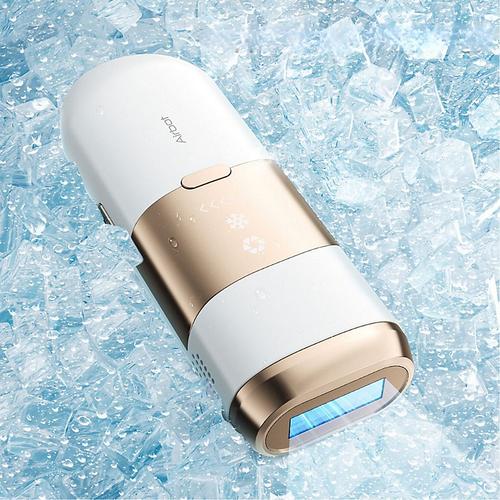
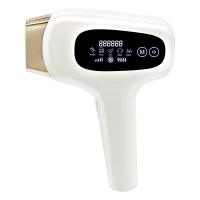
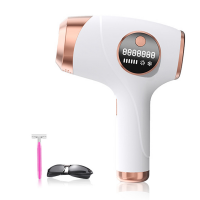
IPL Laser Hair Removal Ultimate Guide 2024: How to Choose the Best System_31
The Complete Guide to IPL Laser Hair Removal Systems in 2024
The global IPL hair removal market is projected to reach $1.2 billion by 2027, growing at 5.8% CAGR according to Grand View Research. As consumers increasingly seek salon-quality results at home, understanding how to select the right IPL device becomes crucial. This guide will walk you through technical specifications, safety standards, and market trends to make an informed purchasing decision.
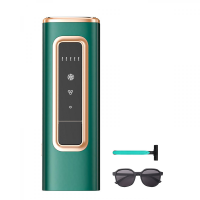
IPL Hair Removal Buying Guide: 7 Must-Check Features
When evaluating IPL systems, consider these critical factors:
| Feature | Professional Grade | Home Devices |
|---|---|---|
| Energy Output | 25-60J/cm² | 3-10J/cm² |
| Pulse Rate | 1.5-2Hz | 0.5-1Hz |
Case Study: How Brand X Solved Dark Skin Compatibility
Their patented 3-wavelength technology (610nm/650nm/690nm) allows safe treatment for Fitzpatrick skin types IV-VI while maintaining efficacy.
Technical Deep Dive: How IPL Devices Work
The process involves:
1. Light absorption by melanin
2. Heat generation in hair follicle
3. Disruption of hair growth cycle
For optimal results, devices should deliver 4-6J/cm² at minimum with integrated skin tone sensors.
Market Trends and Regional Demand
North America dominates with 38% market share (Statista 2023), while APAC shows fastest growth due to rising disposable income. New FDA-cleared devices must now meet IEC 60601-2-57 safety standards for optical radiation.
FAQ Section
Q: Can IPL treat blonde or gray hair?
A: Limited effectiveness due to low melanin content. Nd:YAG lasers may be better suited.
Q: What certifications should I look for?
A: FDA/CE/ROHS markings ensure medical-grade quality and safety compliance.