How EMS for Pain Relief Works: A Comprehensive Guide_92
EMS (Electrical Muscle Stimulation) is a revolutionary technology used for pain relief by sending electrical impulses to muscles, helping to reduce discomfort and promote healing. It is widely used in physical therapy and sports medicine for managing chronic pain and muscle recovery.
1. How does EMS work for pain relief2. Benefits of EMS for chronic pain
3. Best EMS devices for pain relief
4. EMS vs TENS for pain management
1. How does EMS work for pain relief
Electrical Muscle Stimulation (EMS) works by delivering controlled electrical impulses to the muscles through electrodes placed on the skin. These impulses mimic the natural signals sent by the nervous system, causing the muscles to contract and relax. This process helps to increase blood circulation, reduce inflammation, and release endorphins, which are the body's natural painkillers. EMS is particularly effective for managing chronic pain conditions such as arthritis, back pain, and muscle spasms. Regular use of EMS can lead to significant pain reduction and improved muscle function. It is a non-invasive and drug-free alternative to traditional pain management methods.
2. Benefits of EMS for chronic pain
EMS offers numerous benefits for individuals suffering from chronic pain. One of the primary advantages is its ability to provide targeted pain relief without the need for medications. This reduces the risk of side effects associated with long-term drug use. Additionally, EMS helps to improve muscle strength and flexibility, which can prevent future injuries and pain. It is also a convenient option, as many portable EMS devices are available for home use. Studies have shown that EMS can significantly reduce pain levels in patients with conditions like fibromyalgia, sciatica, and post-surgical pain. The therapy is customizable, allowing users to adjust the intensity and frequency of the electrical impulses to suit their specific needs.
3. Best EMS devices for pain relief
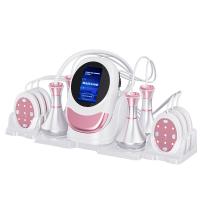
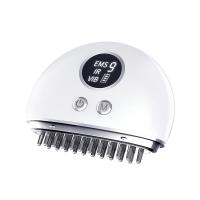
When choosing an EMS device for pain relief, it is important to consider factors such as ease of use, portability, and the range of settings available. Some of the top-rated EMS devices include the Compex Sport Elite, PowerDot 2.0, and TENS 7000. These devices offer various programs designed for pain relief, muscle recovery, and relaxation. The Compex Sport Elite is known for its advanced technology and professional-grade performance, while the PowerDot 2.0 is popular for its smart app integration. The TENS 7000 is a budget-friendly option that provides effective pain relief. It is essential to follow the manufacturer's instructions and consult a healthcare professional before using any EMS device to ensure safety and effectiveness.
4. EMS vs TENS for pain management
EMS and TENS (Transcutaneous Electrical Nerve Stimulation) are both used for pain management, but they work in different ways. EMS targets the muscles, causing them to contract and relax, which helps to relieve pain by improving blood flow and reducing muscle tension. TENS, on the other hand, targets the nerves, blocking pain signals from reaching the brain. While both therapies are effective, EMS is generally better for muscle-related pain, such as soreness or spasms, whereas TENS is more suitable for nerve-related pain, such as sciatica or neuropathy. Some devices combine both EMS and TENS functionalities, offering a comprehensive solution for pain relief. The choice between EMS and TENS depends on the type and location of the pain.
EMS for pain relief is a versatile and effective solution for managing various types of pain. Whether you suffer from chronic pain, muscle soreness, or post-injury discomfort, EMS can provide significant relief. By understanding how EMS works, its benefits, and the best devices available, you can make an informed decision about incorporating this therapy into your pain management routine. Always consult a healthcare professional before starting any new treatment to ensure it is safe and appropriate for your condition.