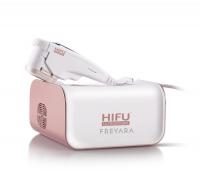
HIFU Ultrasound Machine Ultimate Guide 2024: How to Choose the Best Non-Invasive Treatment Device_72
The Complete Guide to HIFU Ultrasound Machines in 2024
The global HIFU market is projected to reach $1.2 billion by 2027, growing at 7.8% CAGR according to Grand View Research. As demand for non-invasive cosmetic treatments surges, professionals and clinics face critical decisions when investing in HIFU technology. This comprehensive guide will walk you through everything from technical specifications to regional compliance requirements, helping you make an informed purchase decision.
HIFU Machine Buying Guide: 7 Key Factors to Consider
When evaluating HIFU ultrasound machines, these are the essential criteria:
| Feature | Professional Grade | Home Use |
|---|---|---|
| Depth Penetration | 4.5mm-13mm | 1.5mm-3mm |
| Transducers | Multi-layer (3-5) | Single layer |
7 Must-Check Features for Medical Grade HIFU Machines
- FDA/CE/MDR certification
- Adjustable energy levels (0.5-2.5J)
- Real-time temperature monitoring
Technical Deep Dive: How HIFU Machines Work
The science behind high-intensity focused ultrasound involves precise energy delivery to subcutaneous layers without damaging epidermis. Modern systems feature:
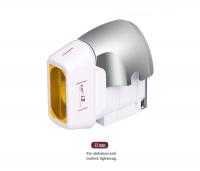
- Micro-focused ultrasound transducers
- 3D imaging guidance systems
- Smart cooling mechanisms
Industry Trends and Regional Demand
North America dominates 38% market share while Asia-Pacific shows fastest growth. Key developments include:
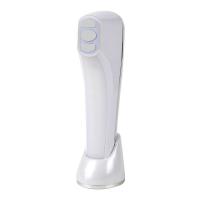
- Portable HIFU devices gaining popularity
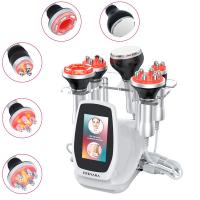
- Combination RF+HIFU technologies
- Stricter EU MDR compliance requirements
Frequently Asked Questions
Q: Can HIFU replace surgical facelifts?
A: While providing noticeable lifting, HIFU works best as maintenance therapy with results lasting 1-2 years.
Q: What certifications are mandatory?
A: FDA 510(k) for US, CE MDR for Europe, and KFDA for South Korea.