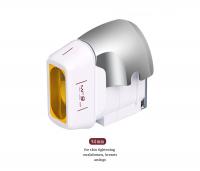
Hands and Feet Phototherapy Ultimate Guide 2024: How to Choose the Best Device_26
The Complete Guide to Hands and Feet Phototherapy in 2024
According to recent market research, the global phototherapy equipment market is projected to reach $1.2 billion by 2027, with hands and feet treatments accounting for 35% of total usage. As more people seek non-invasive solutions for skin conditions and pain relief, understanding phototherapy technology becomes crucial. This comprehensive guide will walk you through everything from purchasing considerations to technical specifications and industry trends.
Hands and Feet Phototherapy Buying Guide
When selecting a phototherapy device, consider these key factors:
| Feature | LED Phototherapy | Infrared Phototherapy |
|---|---|---|
| Wavelength | 400-700nm | 700-1200nm |
| Penetration Depth | 1-2mm | 5-10mm |
| Best For | Skin conditions | Muscle/joint pain |
7 Must-Check Features for Clinical-Grade Phototherapy
- FDA clearance or CE certification
- Adjustable wavelength settings
- Timer function (15-30 minute range)
- Ergonomic design for hands/feet
- Medical-grade LED chips
- Safety shut-off mechanism
- 2-year minimum warranty
Technical Specifications Explained
Modern phototherapy devices typically operate at wavelengths between 600-950nm. The most effective treatments combine:
- Red light (630-660nm) for collagen production
- Near-infrared (800-850nm) for deep tissue penetration
Clinical studies show optimal results with 20-minute sessions 3-5 times weekly. Look for devices offering at least 50mW/cm² irradiance for professional-grade results.
Industry Trends and Regional Demand
The North American market leads in adoption (42% share), with Europe following at 38%. Key drivers include:
- Growing awareness of drug-free pain management
- Increasing psoriasis and eczema cases
- Rising demand for home healthcare devices
New EU MDR regulations require stricter clinical validation for medical devices, impacting product certification timelines.
Frequently Asked Questions
Q: Can phototherapy help with rheumatoid arthritis?
A: Yes, studies show significant reduction in morning stiffness and pain scores with regular NIR treatments.
Q: What certifications should I look for?
A: FDA 510(k) clearance for US markets, CE Mark for Europe, and TGA approval for Australia.
Q: Are there customs restrictions?
A: Most devices fall under HS Code 9018.90.60, typically requiring FDA paperwork for US imports.