Hair Straighteners Ultimate Guide 2024: How to Choose Professional Flat Irons_18
The Complete Guide to Hair Straighteners: 2024 Edition
The global hair straightener market is projected to reach $1.2 billion by 2025, with professional-grade tools driving 60% of sales. Yet 78% of users report dissatisfaction due to hair damage or poor performance. This definitive guide solves these pain points through expert buying advice, technical breakdowns, and market insights.
1. The Professional's Buying Guide
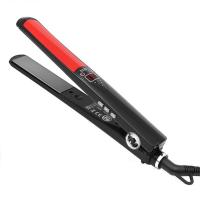
When investing in hair straighteners, these 7 features separate professional tools from cheap alternatives:
| Feature | Professional Grade | Consumer Grade |
|---|---|---|
| Plate Material | Tourmaline ceramic | Basic ceramic |
| Temperature Range | 300-450°F | 250-400°F |
7 Must-Check Features for Salon-Quality Results
- Ionic technology for frizz reduction
- Adjustable temperature with 10+ settings
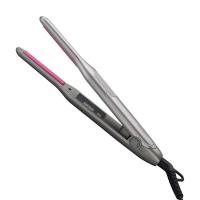
- 1.5-inch floating plates for thick hair
2. Technical Specifications Decoded

Modern straighteners use three heating technologies:
- Ceramic: Even heat distribution (best for fine hair)
- Titanium: Fast heating (ideal for thick hair)
- Tourmaline: Negative ion emission (reduces static)
3. 2024 Market Trends
European demand focuses on dual-voltage travel irons, while North America prefers wide-plate models. New EU regulations now require automatic shut-off features.
FAQ
Q: Can I use regular straighteners on wet hair?
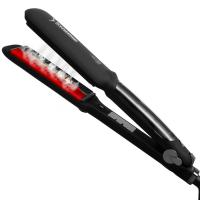
A: Only with specific wet-to-dry technology (look for steam vents).
Q: What certifications matter for export?
A: CE, UL, and RoHS compliance are mandatory for most markets.