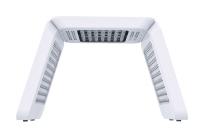
Hair Removal Device Ultimate Guide 2024: How to Choose the Best IPL Machine_57
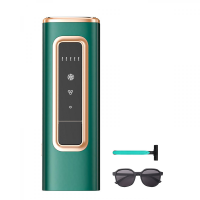
The Complete Guide to Choosing the Best Hair Removal Device in 2024
The global hair removal device market is projected to reach $3.2 billion by 2027, growing at 12.4% CAGR according to Grand View Research. As consumers increasingly shift from salon treatments to at-home solutions, selecting the right device becomes critical. This guide will help you navigate through IPL vs laser technologies, key features comparison, and emerging industry trends.
Hair Removal Device Buying Guide
When evaluating hair removal devices, consider these essential factors:
| Feature | IPL Devices | Laser Devices |
|---|---|---|
| Technology | Broad spectrum light | Single wavelength light |
| Effectiveness | Good for light-medium skin | Works on darker skin tones |
| Pain Level | Mild sensation | Moderate discomfort |
| Treatment Time | Longer sessions | Faster results |
| Price Range | $200-$500 | $500-$3000 |
7 Must-Check Features for Professional Hair Removal Machines
- FDA clearance or CE certification
- Adjustable energy levels (5+ settings ideal)
- Skin tone sensor technology
- At least 300,000 flash lifespan
- Cordless operation capability
- Multiple attachment heads
- Cooling system for comfort
Technical Breakdown of Modern Hair Removal Devices
Understanding the specifications will help you make informed decisions:
Modern IPL devices typically operate at 500-1200nm wavelengths, with optimal hair removal occurring at 700nm. The pulse duration should be under 100ms to prevent skin damage while effectively targeting melanin in hair follicles.
How Professional Hair Removal Machines Work
The light energy converts to heat, damaging the hair follicle to inhibit future growth. This process is called photothermolysis. For best results, treatments should be spaced 2-4 weeks apart during the initial phase.
Industry Trends and Regional Demand
North America currently dominates the market with 38% share, while Asia-Pacific shows the fastest growth at 15.2% CAGR. Key developments include:
- Rise of cordless, portable designs
- Integration with mobile apps for treatment tracking
- Development of devices suitable for darker skin tones
- Increased focus on pain reduction technologies
Environmental and Safety Standards
Leading manufacturers now comply with:
- RoHS directive for hazardous substances
- WEEE compliance for electronic waste
- ISO 13485 for medical devices
- FDA 21 CFR Part 1040.10 laser product standard
Frequently Asked Questions
Can hair removal devices be used on facial hair?
Most devices have specific attachments for facial use, but avoid the eye area. Check manufacturer guidelines as some models aren't suitable for hormonal facial hair.
What certifications should I look for?
Prioritize devices with FDA clearance (for US market) or CE marking (for Europe). These ensure safety and efficacy testing.
Are there import restrictions?
Some countries regulate laser devices more strictly than IPL. Always check local customs regulations for laser classification and power limitations.