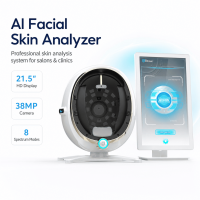
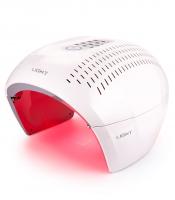
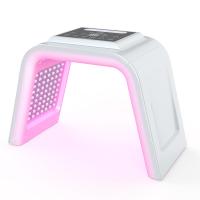
Facial Device Ultimate Guide 2024: How to Choose the Best Skin Care Tool_42
The Complete Guide to Facial Devices in 2024
The global facial device market is projected to reach $12.5 billion by 2027, growing at 11.2% CAGR (Statista). As consumers increasingly seek professional-grade skincare solutions at home, understanding how to select the right facial device becomes crucial. This guide covers everything from technical specifications to regional compliance requirements.
Facial Device Buying Guide
When comparing facial devices to traditional skincare methods, consider these key differences:
| Feature | Facial Devices | Manual Treatments |
|---|---|---|
| Results Duration | 6-8 months | 2-3 days |
| Technology | Microcurrent/RF/LED | Physical stimulation |
7 Must-Check Features for Microcurrent Facial Devices
- FDA clearance status
- Adjustable intensity levels
- Multi-functionality
Technical Specifications Explained
Modern facial devices typically operate at 100-400 microamperes for safe home use. The chart below shows how different frequencies affect skin layers:

How LED Light Therapy Masks Work
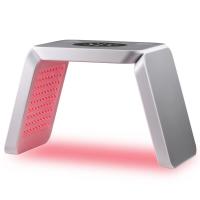
Red light (630nm) stimulates collagen production while blue light (415nm) targets acne-causing bacteria. Leading manufacturers like CurrentBody and NuFace comply with IEC 60601 safety standards.
Industry Trends
North America dominates 42% market share, while APAC shows fastest growth (15% YoY). New EU regulations require RoHS compliance for all electronic skincare devices.
FAQ
Can facial devices replace professional treatments?
High-end devices can deliver 70-80% of clinic results for maintenance, but initial treatments should be done by licensed estheticians.
What certifications should I look for?
FDA clearance (US), CE marking (EU), and KC certification (Korea) are minimum requirements.