EMS Training: electrical muscle stimulation for fitness and recovery_30
Electrical muscle stimulation (EMS) is a cutting-edge technology that uses electrical impulses to trigger muscle contractions, offering benefits for fitness training, physical therapy, and athletic recovery.
Table of Contents
1. EMS training benefits2. How does EMS work
3. EMS for muscle recovery
4. EMS vs traditional workout
1. EMS training benefits
Electrical muscle stimulation offers numerous benefits for athletes and fitness enthusiasts. EMS can enhance muscle strength by up to 30% compared to conventional training methods. It activates more muscle fibers simultaneously, including deep stabilizing muscles often missed in traditional workouts. The technology is particularly effective for time-efficient training sessions, as 20 minutes of EMS training can equal 90 minutes of conventional exercise. EMS also improves circulation and can help with muscle toning without adding bulk. Many professional athletes incorporate EMS into their training routines to boost performance and reduce injury risk. The technology has shown promising results in improving core strength, balance, and overall athletic performance.
2. How does EMS work
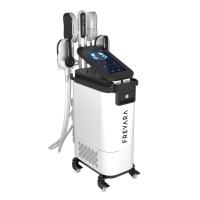
Electrical muscle stimulation works by delivering controlled electrical impulses to muscles through electrodes placed on the skin. These impulses mimic the signals normally sent by the central nervous system, causing muscles to contract. The intensity and frequency of the impulses can be adjusted to target specific muscle groups and achieve different training effects. Lower frequencies are typically used for recovery and relaxation, while higher frequencies are employed for strength training. Modern EMS devices use advanced algorithms to ensure safe and effective stimulation patterns. The technology allows for precise targeting of muscle groups, making it possible to work on specific areas that need improvement. EMS can be used both as a standalone training method or as a complement to traditional workouts.
3. EMS for muscle recovery
EMS has become increasingly popular for post-workout recovery and rehabilitation. The gentle electrical pulses help increase blood circulation to fatigued muscles, accelerating the removal of lactic acid and other metabolic waste products. This leads to faster recovery times between training sessions. Many physical therapists use EMS to help patients regain muscle strength after injuries or surgeries. The technology is particularly effective for addressing muscle imbalances and preventing atrophy during periods of immobilization. EMS recovery sessions typically use lower frequencies than training sessions, focusing on promoting relaxation and reducing muscle tension. Athletes report significantly reduced muscle soreness when incorporating EMS into their recovery routines.
4. EMS vs traditional workout
While EMS offers unique advantages, it's important to understand how it compares to traditional workouts. EMS training activates more muscle fibers simultaneously than voluntary contractions during conventional exercise. However, it doesn't provide the same cardiovascular benefits as aerobic activities. The best approach often combines both methods - using EMS for targeted strength gains and traditional workouts for endurance and functional movement patterns. EMS requires less joint stress, making it suitable for individuals with mobility limitations. Traditional workouts burn more calories during the session, while EMS continues to boost metabolism for hours afterward. Many fitness professionals recommend using EMS 2-3 times per week alongside regular training for optimal results.
Electrical muscle stimulation technology continues to evolve, offering exciting possibilities for fitness enthusiasts, athletes, and rehabilitation patients alike. Whether you're looking to enhance your training results, recover faster from workouts, or address specific muscle weaknesses, EMS provides a scientifically-backed solution. The combination of deep muscle activation, time efficiency, and recovery benefits makes EMS a valuable tool in modern fitness and therapy. As research continues to uncover new applications, EMS is poised to become an increasingly important part of comprehensive training and wellness programs.
In conclusion, electrical muscle stimulation represents a revolutionary approach to fitness and recovery. From boosting athletic performance to aiding rehabilitation, EMS technology offers versatile benefits that complement traditional training methods. By understanding how to properly incorporate EMS into your routine, you can unlock new levels of strength, recovery, and overall physical performance.