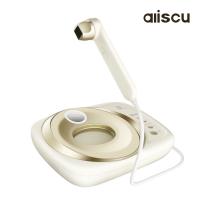
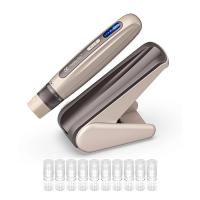
EMS Microcurrent Instrument Ultimate Guide 2024: How to Choose the Best Facial Toning Device_91
The Rising Demand for EMS Microcurrent Technology
The global aesthetic device market is projected to reach $28.3 billion by 2027 (Statista 2023), with EMS microcurrent instruments capturing 18% of the non-invasive treatment segment. These innovative devices address three critical skincare concerns: loss of facial muscle tone, reduced collagen production, and premature aging signs. This comprehensive guide will walk you through equipment selection, technical specifications, industry trends, and practical FAQs to help you make informed purchasing decisions.
EMS Microcurrent Instrument Buying Guide
| Feature | Professional Grade | Home Use |
|---|---|---|
| Current Intensity | 100-500μA | 50-200μA |
| Treatment Modes | 5-8 programs | 2-3 programs |
7 Must-Check Features for Clinical-Grade EMS Devices
- FDA-cleared waveform technology
- Adjustable microcurrent intensity (50-500μA)
Technical Deep Dive: How EMS Microcurrent Works
The science behind these instruments involves low-level electrical impulses (typically 50-1000 microamperes) that mimic the body's natural bioelectrical signals. Leading manufacturers like NuFACE and Ziip adhere to ISO 13485 medical device standards, ensuring consistent waveform delivery crucial for ATP production and collagen synthesis.
Market Trends and Regional Preferences
North America dominates 42% of the professional EMS device market (Grand View Research 2023), while APAC shows fastest growth at 11.3% CAGR. New EU MDR regulations now require CE Class IIa certification for devices exceeding 300μA output.
Frequently Asked Questions
Q: Can EMS microcurrent replace professional facials?
A: While effective for maintenance, clinical treatments provide more intensive results. Optimal use combines monthly professional sessions with weekly home treatments.