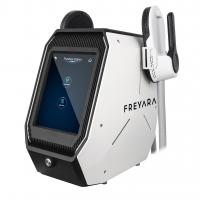
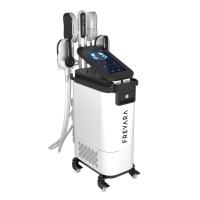
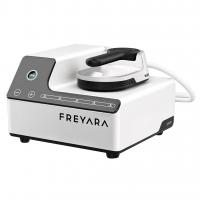
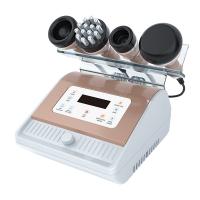
EMS Ab Stimulator Ultimate Guide 2024: How to Choose the Best Muscle Toner_38
The Complete Guide to EMS Ab Stimulators in 2024
The global EMS fitness equipment market is projected to reach $1.2 billion by 2025, growing at 8.3% CAGR according to Market Research Future. As more consumers seek efficient workout solutions, EMS ab stimulators have emerged as a revolutionary tool for core strengthening. This guide will help you navigate the crowded market, avoid common purchasing mistakes, and select the ideal device for your fitness goals.
EMS Ab Stimulator Buying Guide: 7 Critical Factors
When comparing EMS devices, these are the essential features to evaluate:
| Feature | Premium Models | Budget Options |
|---|---|---|
| Pulse Frequency | 1-150Hz adjustable | Fixed 50Hz |
| Electrode Material | Medical-grade silicone | Standard rubber |
Professional vs Home Use Models
Physical therapy clinics typically require medical-grade devices with:
- FDA Class II certification
- Multi-channel output
- Clinical protocols pre-sets
Technical Deep Dive: How EMS Works
Modern EMS devices stimulate muscle contractions through:
- Electrical impulses mimicking CNS signals
- Variable pulse widths (200-400μs)
- Biphasic waveforms for safety
Manufacturing Standards
Reputable producers comply with:
- ISO 13485 for medical devices
- IEC 60601-1 electrical safety
- RoHS compliant materials
Industry Trends: Regional Demand
North America dominates 42% market share due to:
- High fitness awareness
- Advanced healthcare infrastructure
- Strong disposable income
Environmental Compliance
New EU regulations require:
- REACH compliance for electrodes
- Reduced packaging waste
- Recyclable lithium batteries
Frequently Asked Questions
Can EMS replace traditional ab workouts?
While effective for muscle activation, EMS works best when combined with conventional exercises according to sports medicine research.
What certifications should I verify?
Look for FDA clearance (US), CE marking (EU), and TGA approval (Australia) for medical-grade devices.