EMS Ab Belt: The Ultimate Guide to Choosing the Best Electrical Muscle Stimulation Belt for Fitness_32
EMS Ab Belt: The Ultimate Guide to Choosing the Best Electrical Muscle Stimulation Belt for Fitness
The EMS ab belt has emerged as a game-changer in the global fitness equipment market, offering innovative muscle stimulation technology. International buyers face challenges in identifying quality manufacturers, understanding technical specifications, and navigating compliance requirements across different markets.
What is an EMS Ab Belt?
An EMS (Electrical Muscle Stimulation) ab belt is a wearable fitness device that delivers electrical impulses to abdominal muscles, causing involuntary contractions that mimic natural workouts. These belts typically operate at frequencies between 20-150Hz with adjustable intensity levels.
Technical Specifications and International Standards
- Voltage: 3-9V DC
- Pulse width: 200-400 microseconds
- Compliance: CE, RoHS, FDA Class II medical device
- IP Rating: IPX6 for sweat resistance
Comparative Analysis: EMS vs Traditional Ab Belts
| Feature | EMS Ab Belt | Traditional Ab Belt |
|---|---|---|
| Workout Efficiency | 30min = 2hr conventional workout | Limited passive support |
| Muscle Activation | Targets all abdominal layers | Surface pressure only |
Key Advantages for International Buyers
- Cost Efficiency: 40% lower shipping costs compared to bulk fitness equipment
- Market Demand: Global EMS market projected to reach $1.5 billion by 2027 (Grand View Research)
- Customization: OEM options for private labeling
Certification Requirements
Essential certifications for global distribution:
- CE Marking (Europe)
- FDA 510(k) clearance (USA)
- KC Certification (South Korea)
- CCC (China)
Supplier Evaluation Checklist
Use this 10-point checklist when vetting manufacturers:
- Minimum 3 years EMS production experience
- In-house R&D capability
- Third-party lab test reports
Market Trends and Success Stories
A European fitness chain achieved 300% ROI within 6 months by incorporating EMS belts into their training programs, with member retention rates improving by 45%.
FAQ Section
1. What negotiation strategies work best for bulk orders?
Consider volume discounts starting at 500 units, with better terms for 1,000+ orders. Payment terms flexibility often yields better pricing than direct price haggling.
2. What are typical MOQ requirements?
Most quality manufacturers require 100-300 units for standard models, though some offer sample orders of 10-50 units for testing.
3. Can I get custom branding?
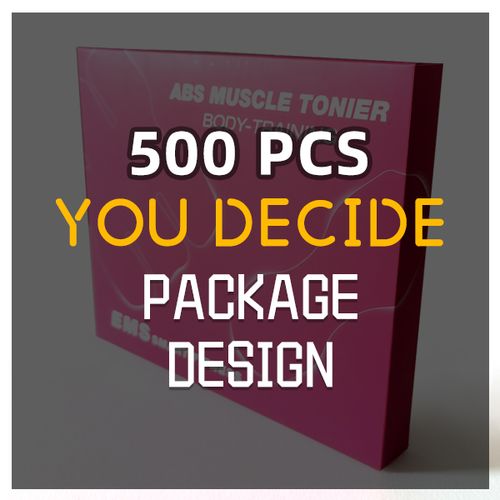
Yes, leading suppliers offer OEM services including custom logos, packaging, and even firmware interfaces with minimum order quantities.
4. Do suppliers handle export documentation?
Reputable manufacturers typically provide commercial invoices, packing lists, and certificates of origin. Some offer full logistics solutions including DDP terms.
5. What quality guarantees should I expect?
Look for suppliers offering at least 12-month warranties, with defective rates below 2% based on batch testing reports.
6. What payment methods are safest?
30% deposit with 70% balance against BL copy is standard. Consider escrow services for new suppliers or large orders.
Ready to source quality EMS ab belts? Download our complete buyer's guide with verified supplier list and negotiation templates.