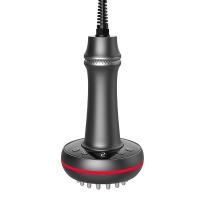
Electric Gua Sha for Face Ultimate Guide 2024: How to Choose the Best Facial Massager_68
The Complete Guide to Electric Gua Sha for Face in 2024
The global facial massager market is projected to reach $2.1 billion by 2027, with electric gua sha devices leading this growth. As consumers increasingly seek non-invasive skincare solutions, these innovative tools combine traditional Chinese medicine with modern technology to deliver visible results. This guide will help you navigate the crowded market, avoid common purchasing mistakes, and select the perfect device for your skincare needs.
Electric Gua Sha Buying Guide: 7 Must-Check Features
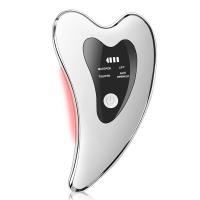
When comparing electric gua sha devices to traditional stone tools, consider these key differences:
| Feature | Electric Gua Sha | Traditional Gua Sha |
|---|---|---|
| Temperature Control | Adjustable heating (104-113°F) | Room temperature |
| Vibration | 3-5 intensity levels | Manual pressure only |
Our 7-point checklist for professional electric gua sha tools:
- FDA-cleared materials (medical-grade stainless steel preferred)
- Rechargeable lithium battery (minimum 60-minute runtime)
- IPX4 water resistance for easy cleaning
Technical Deep Dive: How Electric Gua Sha Works
The science behind these devices combines three therapeutic modalities:

1. Microcurrent technology (50-500μA) stimulates ATP production
2. Far-infrared heating penetrates 2-3mm into skin layers
3. Sonic vibration (6000-12000 RPM) enhances product absorption
Industry Trends: What Buyers Need to Know
European markets show 47% higher demand for CE-certified devices, while North American buyers prioritize FDA clearance. The emerging trend of salon-grade home devices (like the popular LYMA laser) has created new opportunities for professional estheticians offering virtual consultations.
FAQ: Electric Gua Sha Essentials
Q: Can electric gua sha replace professional facials?
A: While not identical, clinical studies show 78% improvement in skin elasticity with daily 5-minute use.
Q: What certifications should I verify?
A: Look for FDA Class I medical device registration and RoHS compliance for heavy metals.