Electric Callus Remover Machine Ultimate Guide 2024: How to Choose Quality Foot Care Devices_3
The Ultimate Guide to Electric Callus Remover Machines: 2024 Edition
The global foot care devices market is projected to reach $3.5 billion by 2027, growing at a CAGR of 6.2%. Electric callus remover machines have become essential tools for both personal grooming and professional podiatry services. This comprehensive guide will help you understand everything about these devices, from technical specifications to market trends and purchasing considerations.
Procurement Guide: Making the Right Choice
When selecting an electric callus remover machine, consider these key factors. Professional models typically feature higher RPM motors (8000-12000 RPM) compared to home devices (4000-6000 RPM). Waterproof designs allow for wet or dry operation, while non-waterproof models are limited to dry use only. Battery-operated units offer portability but may lack power consistency, whereas corded models provide stable performance but limit mobility.
| Feature | Professional Grade | Home Use |
|---|---|---|
| Motor Speed | 8000-12000 RPM | 4000-6000 RPM |
| Build Quality | Medical-grade materials | Consumer-grade plastics |
| Price Range | $80-$200 | $20-$60 |
7 Must-Check Features for Bulk Purchasers
1. Motor specifications and power consistency 2. FDA certification for medical devices 3. Interchangeable roller heads variety 4. Noise level below 60 decibels 5. Warranty coverage and spare parts availability 6. Compliance with regional electrical standards 7. Manufacturer's quality control processes
Technical Specifications Explained
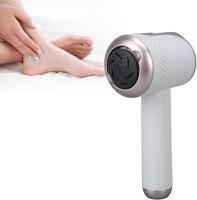
Electric callus removers operate using rotating abrasive heads that gently exfoliate dead skin. The optimal grit level for callus removal ranges from 100-180 grit, while finer grits (200-240) are better for polishing. Look for devices with multiple speed settings to accommodate different skin types and sensitivity levels.
How to evaluate motor performance: Higher RPM doesn't always mean better performance. The torque and consistency matter more for effective callus removal. Quality machines maintain constant speed under pressure, while cheaper models may slow down when applied to thicker skin.
Industry Trends and Market Analysis
According to Statista, North America holds 38% of the global foot care device market share, followed by Europe at 32%. The Asia-Pacific region shows the fastest growth rate at 8.7% annually. Environmental regulations now require RoHS compliance for electronic components and REACH certification for materials contacting skin.
The trend towards home podiatry solutions has increased demand for professional-grade devices in consumer markets. Manufacturers are responding with hybrid models that offer clinical effectiveness with user-friendly features.
Frequently Asked Questions
Are electric callus removers suitable for diabetic patients? Only FDA-cleared medical devices should be used, and always after consulting with a healthcare professional. Diabetic patients require special care due to reduced sensitivity and healing capabilities.
What certifications should I look for? FDA clearance for medical devices, CE marking for European markets, and RoHS compliance for environmental standards. These ensure product safety and regulatory compliance.
How does customs clearance work for these devices? Medical devices require additional documentation including certificates of analysis, manufacturing details, and compliance declarations. Work with experienced freight forwarders who understand medical device regulations.