Effective Hands and Feet Eczema Light Therapy: A Complete Guide to Soothing Relief_59
Effective Hands and Feet Eczema Light Therapy: A Complete Guide to Soothing Relief
Introduction
Chronic eczema on hands and feet can be particularly challenging to manage, often resisting conventional treatments. Hands and feet eczema light therapy has emerged as an effective solution for persistent symptoms, offering drug-free relief without the side effects of topical steroids. This comprehensive guide explores how targeted phototherapy can help manage stubborn eczema on these sensitive areas.
Understanding Hands and Feet Eczema Light Therapy
Hands and feet eczema light therapy, also known as phototherapy, uses specific wavelengths of ultraviolet light to reduce inflammation and itching. Unlike whole-body UV treatment, specialized devices can target just the affected areas on palms, fingers, soles, and toes. The therapy works by modulating immune responses in the skin and slowing the overproduction of skin cells that causes scaling.
Benefits of Light Therapy for Extremity Eczema
Hands and feet eczema light therapy offers several advantages over traditional treatments. It provides consistent results without the thinning skin associated with long-term steroid use. Clinical studies show significant improvement in 60-70% of patients with chronic hand and foot eczema. The treatment is particularly valuable for occupational cases where hands are constantly exposed to irritants.
Types of Eczema Light Therapy Devices
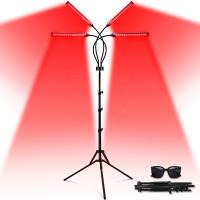
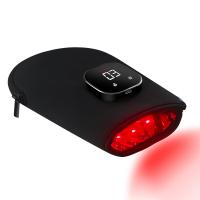
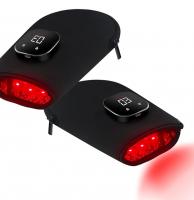
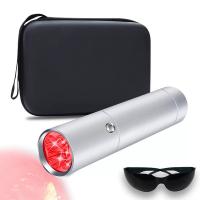
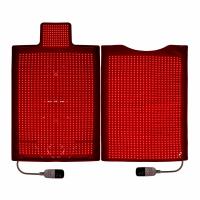
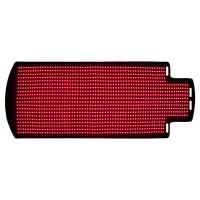
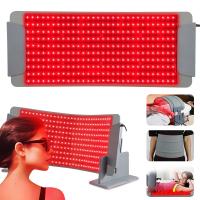
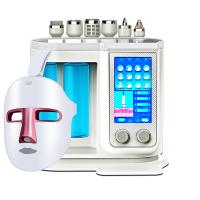
Several phototherapy options exist for extremity eczema. Narrowband UVB is most common, but UVA with psoralen (PUVA) may be recommended for severe cases. Portable home devices allow convenient treatment between clinical sessions. Professional-grade units in dermatology offices provide more powerful, controlled exposure for resistant conditions.
How to Use Light Therapy Safely
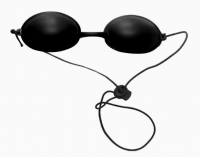
Proper technique is crucial for effective hands and feet eczema light therapy. Treatments typically begin with short exposures (15-30 seconds) that gradually increase. Protective eyewear is essential, and unaffected skin should be shielded. Most protocols recommend 2-3 sessions weekly for 8-12 weeks, with maintenance treatments as needed.
Choosing the Right Light Therapy Solution
When selecting hands and feet eczema light therapy equipment, consider FDA clearance, wavelength specifications, and safety features. Medical-grade devices offer precise dosing controls, while home units should have automatic shut-off mechanisms. Our clinic provides professional consultation to match patients with appropriate phototherapy options.
Frequently Asked Questions
How soon does light therapy work for hand eczema?
Most patients notice reduced itching within 2-3 weeks, with visible improvement in 4-6 weeks of consistent treatment.
Is light therapy painful?
The procedure is generally painless, though some patients experience mild warmth or temporary redness after sessions.
Can I combine light therapy with other treatments?
Many dermatologists recommend using light therapy alongside moisturizers and occasional topical medications for best results.
Are there any side effects?
Potential side effects include temporary dryness or pigmentation changes, which are typically mild and reversible.
How long do the benefits last?
With proper maintenance, results can persist for several months after completing an initial treatment course.
Conclusion
Hands and feet eczema light therapy represents a breakthrough for managing stubborn dermatitis in these challenging areas. By understanding the treatment options and proper protocols, patients can achieve lasting relief without relying solely on medications. Contact our specialists today to discuss whether phototherapy could be your solution for persistent hand and foot eczema.