Commercial Cavitation Machine Ultimate Guide 2024: How to Choose the Best Fat Removal Equipment_28
The Complete Guide to Commercial Cavitation Machines in 2024
The global non-invasive fat reduction market is projected to reach $14.9 billion by 2027, with cavitation machines accounting for 32% of spa equipment purchases. As clinic owners and aesthetic professionals seek safer alternatives to liposuction, commercial cavitation machines have emerged as the gold standard for body contouring treatments.
How to Choose the Best Commercial Cavitation Machine
When investing in professional cavitation equipment, these 7 features are non-negotiable:
| Feature | Entry-Level | Professional Grade |
|---|---|---|
| Frequency Range | Single (40kHz) | Multi-frequency (30-60kHz) |
| Transducer Power | 25W | 50W+ |
Case Study: Miami Spa Increases Revenue by 45%
Luxe Aesthetics replaced their outdated cavitation machine with a multi-frequency system, allowing them to treat diverse body types while reducing session time by 30%.
Technical Specifications Explained
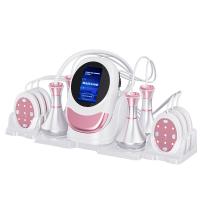
Modern cavitation machines use ultrasonic waves between 30-60kHz to disrupt fat cells. The optimal frequency depends on:
- Adipose tissue thickness
- Treatment area size
- Client skin type
Industry Trends and Regional Demand
North America dominates 42% of the cavitation equipment market, while Southeast Asia shows the fastest growth (18% CAGR). New EU regulations now require CE certification for all aesthetic devices.
Frequently Asked Questions
Q: Can cavitation machines treat cellulite?
A: Yes, when combined with radiofrequency technology, modern systems can improve orange peel appearance by up to 60%.
Q: What certifications should I verify?
A: Look for FDA clearance (US), CE marking (EU), and ISO 13485 certification for medical devices.