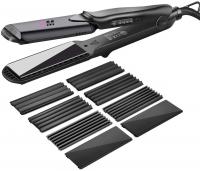
Ceramic Hair Crimper Ultimate Guide 2024: How to Choose the Best Professional Tool_97
The Rising Demand for Ceramic Hair Crimpers
The global hair tools market is projected to reach $5.8 billion by 2027, with ceramic styling tools growing at 6.2% annually according to Statista. As consumers increasingly seek salon-quality results at home, ceramic hair crimpers have emerged as the professional's choice for creating long-lasting, defined crimps without excessive heat damage.
This comprehensive guide will help you navigate the crowded market of hair crimping tools. We'll cover essential purchasing factors, technical specifications, regional market trends, and answer your most pressing questions about ceramic crimpers.
Ceramic vs. Other Materials: Performance Comparison
| Feature | Ceramic | Metal | Tourmaline |
|---|---|---|---|
| Heat Distribution | Even | Uneven | Good |
| Ionic Benefits | Yes | No | Yes |
| Price Point | $$ | $ | $$$ |
7 Must-Check Features for Professional-Grade Crimpers
- True ceramic plates (not just coating)
- Adjustable temperature up to 450°F
- 30-second heat-up time
- Swivel cord design
- Auto shut-off safety
- 1-inch plate width
- CE/UL certification
Technical Deep Dive: How Ceramic Plates Work
High-quality ceramic crimpers use sintered aluminum oxide plates that emit negative ions when heated. This technology:
- Seals cuticles for shinier results
- Reduces static by 60% compared to metal
- Maintains consistent temperature within ±5°F
Regional Market Insights
European buyers prioritize REACH compliance and ergonomic designs, while North American salons demand quick-heat models with lifetime warranties. Southeast Asian markets show growing demand for dual-voltage crimpers suitable for travel.
FAQ Section
Q: Can ceramic crimpers create beach waves?
A: Yes, when used at lower temperatures (300-350°F) with a twisting motion.
Q: What certifications should I look for?
A> Seek CE mark for EU, UL for North America, and RoHS compliance for hazardous substance restrictions.
Q: How do I clean ceramic plates?
A> Use isopropyl alcohol on cooled plates weekly to remove product buildup.