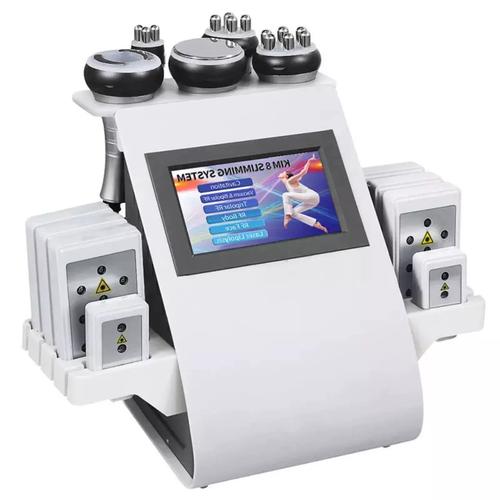
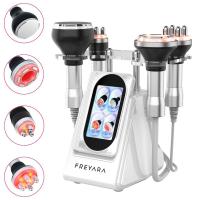
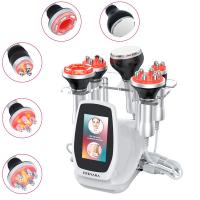
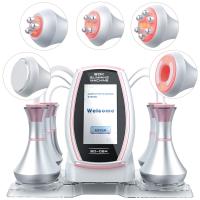
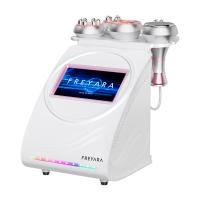
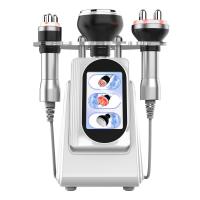
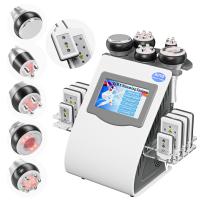
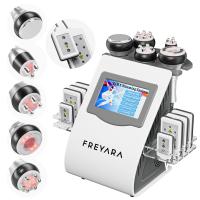
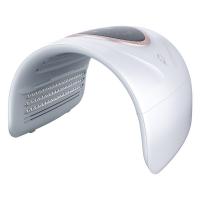
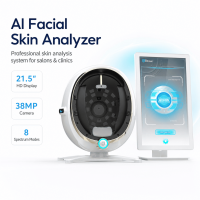
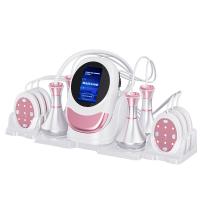
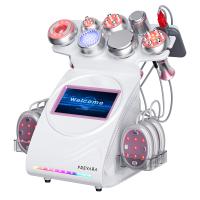
Cavitation Machine Ultimate Guide 2024: How to Choose the Best Fat Removal Device_4
The Growing Demand for Non-Invasive Fat Reduction
The global cavitation machine market is projected to reach $1.2 billion by 2027, growing at 8.3% CAGR according to Grand View Research. As consumers increasingly seek alternatives to surgical liposuction, professional-grade cavitation devices have become essential equipment for medical spas, dermatology clinics, and aesthetic centers worldwide.
This comprehensive guide will help you navigate the cavitation machine market with confidence. We'll compare different technologies, reveal key purchasing considerations, explain technical specifications, and share industry insights to ensure you make an informed decision.
RF Cavitation vs Ultrasonic: Technology Comparison
| Feature | RF Cavitation | Ultrasonic Cavitation |
|---|---|---|
| Technology | Radio Frequency | Ultrasound Waves |
| Depth | 0.5-2cm | 1-6cm |
| Best For | Skin tightening | Deep fat reduction |
| Session Time | 30-45 minutes | 20-30 minutes |
| Price Range | $2,000-$5,000 | $1,500-$4,000 |
7 Must-Check Features When Buying Professional Cavitation Equipment
- FDA/CE certification for medical devices
- Adjustable frequency settings (25-40kHz recommended)
- Minimum 100W power output
- Multiple handpiece options
- Thermal protection system
- At least 12-month warranty
- Compatible with various body gels
Technical Specifications Explained
Modern cavitation machines operate at frequencies between 25kHz to 40kHz. The optimal frequency depends on treatment depth:
- 25-28kHz: Best for abdominal fat and love handles
- 30-33kHz: Ideal for arms and thighs
- 35-40kHz: Recommended for facial contouring
Power output directly affects treatment effectiveness. Professional models should deliver at least 100W continuous power, while home-use devices typically range 30-50W.
Industry Trends and Regional Demand
North America currently leads in cavitation machine adoption (38% market share), followed by Europe (32%). The Asia-Pacific region shows the fastest growth, particularly in South Korea and China where non-surgical aesthetics are booming.
New environmental regulations require manufacturers to reduce energy consumption by 15% compared to 2020 models. Leading brands now offer eco-modes that cut power usage during standby.
Frequently Asked Questions
Q: Can cavitation machines treat cellulite?
A: Yes, when combined with RF technology. Most professional devices now include anti-cellulite programs.
Q: What certifications should I look for?
A: FDA clearance (for US market) or CE certification (for Europe) are essential. ISO 13485 indicates medical device manufacturing standards.
Q: Are there import restrictions?
A: Some countries require special permits for medical devices. Always check with local authorities before purchasing internationally.