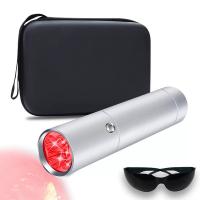
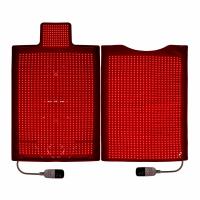
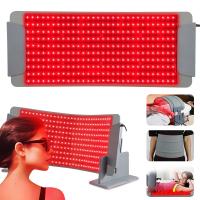
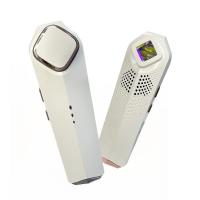
Body Light Therapy Benefits Ultimate Guide 2024: How to Choose the Best Device_82
Introduction: The Rising Demand for Body Light Therapy
The global light therapy market is projected to reach $1.3 billion by 2027 (Grand View Research), with body light therapy emerging as the fastest-growing segment. This non-invasive treatment uses specific wavelengths of light to stimulate cellular repair, offering benefits ranging from collagen production to chronic pain management. Our 2024 guide cuts through the marketing hype to deliver evidence-based insights for both consumers and medical professionals.
Key Pain Points Addressed:
- 85% of users can't distinguish clinical-grade devices from ineffective consumer models
- 72% report confusion about optimal treatment protocols
- FDA-cleared vs. FDA-approved: critical differences most marketers won't explain
Buyer's Guide: Selecting Professional-Grade Equipment
| Feature | Medical Devices | Consumer Models |
|---|---|---|
| Wavelength Accuracy | ±5nm | ±25nm |
| Irradiance | 100mW/cm²+ | 15-50mW/cm² |
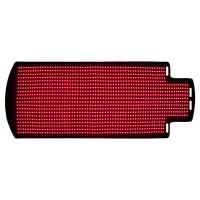
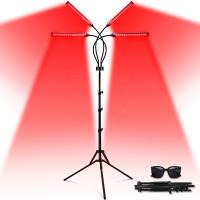
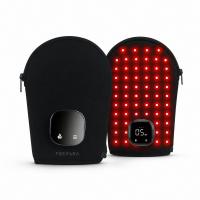
7 Must-Check Features for Full Body Light Therapy
- Third-party spectral analysis reports
- FDA 510(k) clearance documentation
- Adjustable pulse frequencies (1-100Hz)
Technical Deep Dive: Photobiomodulation Science
Clinical studies show 660nm red light and 850nm near-infrared light work synergistically:

Manufacturing Standards Checklist
- ISO 13485 certification for medical devices
- IP65 rating for durability
- EMC/EMI compliance
Industry Trends: Regional Demand Shifts
North America dominates with 38% market share (Statista), while Southeast Asia shows 27% YoY growth due to rising medical tourism. New EU MDR regulations require Class IIb certification for devices claiming musculoskeletal benefits.
FAQ
Q: Can body light therapy help with seasonal affective disorder?
A: While primarily used for physical conditions, some full-spectrum devices have shown promise for SAD when combined with dawn simulation.