Best Skin Analysis Machine Ultimate Guide 2024: How to Choose Professional Skin Scanner_32
Introduction: The Growing Demand for Skin Analysis Technology
The global skin analysis devices market is projected to reach $1.2 billion by 2027, growing at 8.3% CAGR (Statista 2023). Dermatologists and skincare professionals increasingly rely on advanced skin analysis machines to provide accurate diagnoses and personalized treatment plans. This comprehensive guide will help you navigate the complex landscape of professional skin analysis equipment.
Skin Analysis Machine Buying Guide
Professional vs Consumer Skin Scanners Comparison
| Feature | Professional Grade | Consumer Grade |
|---|---|---|
| Accuracy | Medical-grade precision | Basic assessment |
| Multi-Spectral Imaging | 5-8 wavelength analysis | Single wavelength |
7 Must-Check Features for Clinical Skin Analysis Systems
- FDA/CE certification
- Multi-spectral imaging capability
- 3D skin mapping technology
Technical Deep Dive: How Skin Analysis Machines Work
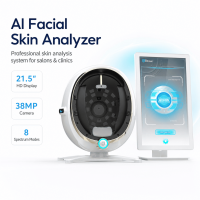
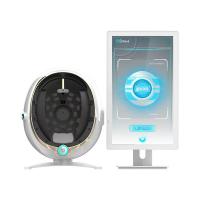
Modern skin scanners utilize cross-polarized photography and RBX technology to reveal subsurface skin conditions. The imaging process involves:
- UV light exposure
- Cross-polarized image capture
- Algorithmic analysis
Industry Trends and Regional Demand
North America dominates 42% of the professional skin analysis equipment market, while Asia-Pacific shows fastest growth at 11.2% annually. New EU regulations now require MDR certification for all medical-grade skin diagnostic devices.
Frequently Asked Questions
Can skin analysis machines detect skin cancer?
While advanced devices can identify suspicious lesions, they should never replace professional medical diagnosis.
What certifications should a medical skin scanner have?
Look for FDA Class II, CE Mark, and ISO 13485 certification for clinical use devices.