Beauty Instrument Ultimate Guide 2024: How to Choose Professional-Grade Tools_55
The Complete 2024 Guide to Beauty Instruments
The global beauty device market is projected to reach $85.7 billion by 2027 (Statista). As demand grows for at-home professional treatments, consumers face overwhelming choices between medical-grade tools and budget alternatives. This guide cuts through the noise with data-driven comparisons, technical breakdowns, and procurement checklists used by industry experts.
Beauty Instrument Buying Guide
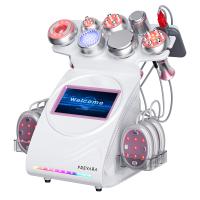
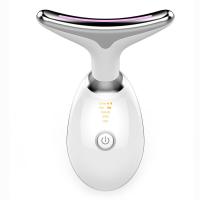
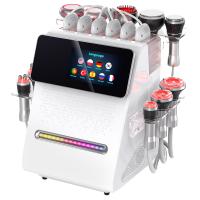
When investing in beauty instruments, these 7 features separate professional results from gimmicks:
- FDA-cleared or CE-marked safety certifications
- Adjustable intensity levels (3+ settings recommended)
- Medical-grade stainless steel components
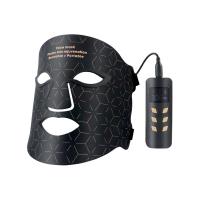
- Clinically tested wavelengths (for LED devices)
- Ergonomic handle designs
- Waterproof housing for sanitation
- Minimum 12-month warranty
| Feature | Professional Grade | Consumer Grade |
|---|---|---|
| Materials | Surgical steel | Plastic alloys |
| Safety Certifications | FDA/CE | Basic ETL |
Technical Specifications Decoded
Understanding these parameters ensures device effectiveness:
- RF Frequency: 0.5-2MHz for facial tightening
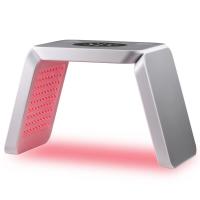
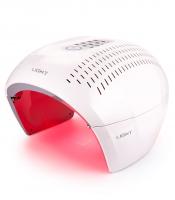
- LED Wavelengths: 630nm (red) for collagen, 415nm (blue) for acne
- Microcurrent Intensity: 100-500μA for facial toning
Industry Trends
North America leads in adoption (38% market share), while APAC shows fastest growth (9.2% CAGR). New EU MDR regulations require stricter clinical documentation for beauty devices claiming medical benefits.
FAQ
Q: Can beauty instruments replace professional treatments?
A: High-end devices can maintain 70-80% of clinical results when used properly 3-5x weekly.
Q: What certifications verify device safety?
A: Look for FDA 510(k), CE Class IIa, or ISO 13485 markings.