Beauty Instrument Ultimate Guide 2024: How to Choose Professional-Grade Devices_68
The Rising Demand for Professional Beauty Instruments
The global beauty device market is projected to reach $85.7 billion by 2026, growing at 18.3% CAGR according to Allied Market Research. As consumers increasingly seek salon-quality results at home, professional beauty instruments have become essential tools for skincare enthusiasts and estheticians alike.
This comprehensive guide will help you navigate the complex world of beauty instruments, covering:
- Key differences between device types
- 7 must-check features before purchase
- Technical specifications decoded
- 2024 industry trends
- Professional usage tips
Beauty Instrument Buying Guide
| Device Type | Best For | Treatment Depth | Price Range |
|---|---|---|---|
| Microcurrent | Firming & Lifting | Muscle Layer | $200-$800 |
| RF (Radio Frequency) | Collagen Stimulation | Dermis Layer | $300-$1,200 |
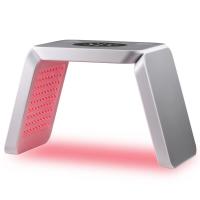
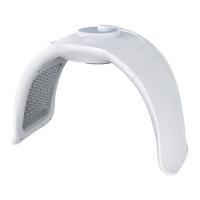
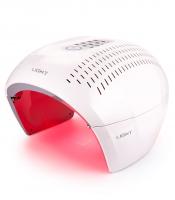
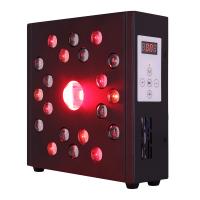
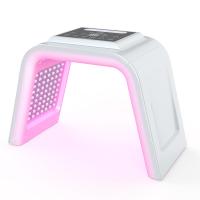
| LED Light Therapy | Acne/Anti-Aging | Epidermis | $150-$600 |
7 Critical Features to Verify
- FDA-cleared or CE certified
- Adjustable intensity levels
- Medical-grade materials
- Ergonomic design
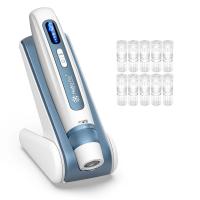
- Replaceable treatment heads
- Battery life >3 hours
- 2-year minimum warranty
Technical Deep Dive
Modern beauty instruments combine multiple technologies for enhanced results. The latest devices often integrate:
- Multi-frequency ultrasonic waves (1MHz/3MHz)
- Bipolar RF with 0.5-2MHz range
- 630nm (red) + 415nm (blue) LED combinations
For microcurrent devices, look for:
- Current range: 100-500μA
- At least 4 program modes
- Conductive gel compatibility
2024 Industry Trends
The beauty instrument market shows distinct regional preferences:
- North America: Dominates 38% market share, prefers multi-functional devices
- Europe: Strong demand for eco-friendly, rechargeable models
- Asia-Pacific: Fastest growing region (22% CAGR), favors portable designs
New EU regulations now require:
- RoHS compliance for all electronic components
- REACH certification for materials contacting skin
- IPX4 water resistance rating minimum
FAQ Section
Q: Can beauty instruments replace professional treatments?
A: While home devices provide noticeable improvements, they complement rather than replace professional treatments. For best results, combine monthly professional sessions with 2-3 weekly home treatments.
Q: What certifications should I look for?
A> Prioritize devices with FDA clearance (US), CE marking (EU), or KFDA approval (Korea). These ensure medical-grade safety standards.
Q: How to handle customs clearance?
A> Most beauty instruments fall under HS code 9019.10. Ensure your supplier provides:
- Certificate of Origin
- Product Specification Sheet
- Declaration of Conformity