Beauty Device Ultimate Guide 2024: How to Choose Professional Skincare Tools_100
The Complete Guide to Professional Beauty Devices in 2024
The global beauty device market is projected to reach $85.7 billion by 2027, growing at 18.3% CAGR according to Allied Market Research. As consumers increasingly seek salon-quality results at home, understanding how to select the right professional beauty device becomes crucial. This guide will help you navigate through technical specifications, safety standards, and performance features to make informed purchasing decisions.
Beauty Device Buying Guide: 7 Critical Factors
When comparing beauty devices to traditional skincare products, consider these key differences:
| Feature | Beauty Devices | Skincare Products |
|---|---|---|
| Results Timeline | Immediate to 4 weeks | 4-12 weeks |
| Technology | Electrotherapy/Light/Ultrasound | Chemical formulations |
| FDA Clearance | Required for medical claims | Not typically required |
7 Must-Check Features for At-Home Microcurrent Devices
- Microcurrent intensity (100-500μA for home use)
- Conductor material (24k gold preferred)
- Multi-frequency settings
- Ergonomic design
- FDA clearance status
- Battery life (minimum 8 treatments per charge)
- Manufacturer warranty (minimum 1 year)
Technical Breakdown: How Beauty Devices Work

Modern beauty devices utilize three primary technologies:
- Electrotherapy: Microcurrent (50-1000μA) stimulates ATP production
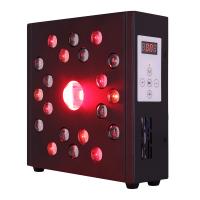
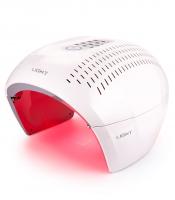
- Light Therapy: LED wavelengths (630nm red, 415nm blue)
- Ultrasonic: 1MHz frequency for product penetration
How to Choose Between RF and Microcurrent Devices
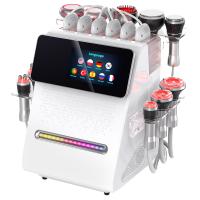
Radio Frequency (RF) devices work best for collagen stimulation in deeper dermal layers (60-65°C), while microcurrent targets facial muscles. Combination devices offering both technologies provide comprehensive anti-aging solutions.
Industry Trends: What Professionals Predict
The European market shows 22% higher adoption of beauty devices than North America, particularly for LED masks. New FDA guidelines require clearer distinction between cosmetic and medical-grade claims starting Q3 2024. Sustainable designs using recyclable materials now represent 38% of new product launches.
Frequently Asked Questions
Can beauty devices replace professional treatments?
While home devices maintain results between professional sessions, most dermatologists recommend combining both for optimal outcomes. Clinical-grade in-office devices typically deliver 3-5x stronger energy output.
What certifications should I look for?
Prioritize devices with FDA clearance (for US market), CE marking (Europe), and RoHS compliance. Medical-grade devices will have ISO 13485 certification.
Are there import restrictions?
Devices containing lithium batteries require UN38.3 testing certification. Radio frequency devices may need additional FCC approval for US import.