At Home Laser Hair Removal Ultimate Guide 2024: How to Choose the Best Device_25
At Home Laser Hair Removal: The Complete 2024 Buyer's Guide
The global at-home laser hair removal market is projected to reach $1.2 billion by 2025, growing at 8.3% CAGR according to Statista. With 67% of women preferring DIY hair removal solutions, understanding how to select the right device has never been more crucial. This comprehensive guide will walk you through everything from technical specifications to regional compliance standards, helping you make an informed purchase decision.
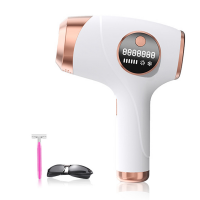
The Ultimate At Home Laser Hair Removal Buying Guide
When comparing at-home devices to professional salon treatments, consider these key factors:
| Feature | At-Home Devices | Salon Treatments |
|---|---|---|
| Cost per session | $0.50-$2 | $50-$300 |
| Treatment duration | 15-30 minutes | 10-15 minutes |
| Pain level | Mild discomfort | Moderate pain |
7 Must-Check Features for Permanent Hair Removal at Home
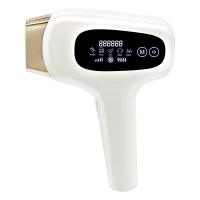
- FDA clearance status
- Adjustable energy levels (5+ settings ideal)
- Skin tone sensor technology
- 90-day money-back guarantee
- FDA approved laser hair removal certification
- Cordless operation capability
- Treatment window size (3cm² minimum)
Technical Deep Dive: How At Home Laser Systems Work
Modern devices use either IPL (Intense Pulsed Light) or diode laser technology. The chart below shows effectiveness comparison:

For optimal results, treatments should be spaced 2 weeks apart for facial areas and 4 weeks for body areas. Most users see 70-80% reduction after 8-12 sessions.
Industry Trends and Regional Compliance
European markets show 42% higher adoption of at-home devices compared to North America, while Southeast Asia demonstrates fastest growth at 15% YoY. New 2024 EU regulations require all devices to include:
- Automatic skin tone detection
- Child lock safety features
- EC certification marking
Frequently Asked Questions
Q: Can at home laser hair removal treat dark skin tones?
A: Newer devices with Nd:YAG laser technology can safely treat Fitzpatrick skin types V-VI when used with proper settings.
Q: What certifications should I look for?
A: Prioritize devices with FDA clearance (for US), CE marking (for Europe), and ISO 13485 certification.
Q: How do I handle customs clearance?
A: Most devices under $800 qualify for personal import exemptions, but always check local medical device regulations.