Advanced Ultrasound Imaging Machines: Revolutionizing Medical Diagnostics_81
Advanced Ultrasound Imaging Machines: Revolutionizing Medical Diagnostics
Introduction
Ultrasound imaging machines have become indispensable tools in modern healthcare, offering non-invasive and real-time visualization of internal organs and tissues. These advanced devices play a crucial role in diagnostics, monitoring, and guiding medical procedures. As technology continues to evolve, ultrasound machines are becoming more sophisticated, portable, and accessible to healthcare providers worldwide.
What is an Ultrasound Imaging Machine?
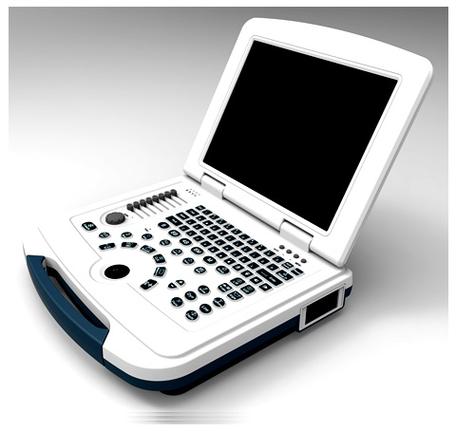
An ultrasound imaging machine is a medical device that uses high-frequency sound waves to create images of structures within the body. Unlike X-rays or CT scans, ultrasound doesn't use ionizing radiation, making it a safer option for many patients. The machine consists of a transducer that sends and receives sound waves, a computer processor that converts these waves into images, and a display monitor.
Benefits of Modern Ultrasound Technology
Today's ultrasound imaging machines offer numerous advantages. They provide real-time imaging, allowing physicians to observe movement and function. The technology is non-invasive, painless, and generally doesn't require special preparation. Modern machines offer improved image resolution, Doppler capabilities for blood flow assessment, and advanced software for specialized applications like 3D/4D imaging.
Applications of Ultrasound Imaging
Ultrasound imaging machines serve diverse medical specialties. In obstetrics, they monitor fetal development. Cardiologists use echocardiography to examine heart function. Radiologists employ ultrasound for abdominal, breast, and thyroid examinations. Emergency physicians utilize portable ultrasound for rapid assessments. Other applications include musculoskeletal imaging, vascular studies, and guidance for biopsies or injections.
Types of Ultrasound Machines
The ultrasound imaging machine market offers various options. Portable systems provide flexibility for point-of-care use. Cart-based systems offer high-end imaging capabilities. Specialized machines cater to specific applications like vascular or women's health. Emerging technologies include handheld ultrasound devices and AI-enhanced systems that assist with image interpretation.
Choosing the Right Ultrasound Machine
When selecting an ultrasound imaging machine, consider your clinical needs, patient volume, and budget. Key factors include image quality, transducer options, software capabilities, and ergonomic design. For hospitals, high-end systems with multiple applications may be ideal, while clinics might prefer compact, specialized machines. Service and support options should also influence your decision.
Industry Trends and Future Developments
The ultrasound imaging machine sector is experiencing rapid innovation. Artificial intelligence is enhancing image analysis and diagnosis. Wireless and cloud-based solutions are improving workflow efficiency. Miniaturization continues with pocket-sized devices entering the market. Future developments may include even higher resolution imaging, advanced contrast agents, and expanded therapeutic applications.
Our Premium Ultrasound Solutions
We offer a comprehensive range of high-quality ultrasound imaging machines designed to meet diverse clinical requirements. Our products combine cutting-edge technology with user-friendly interfaces, ensuring accurate diagnostics and efficient workflows. From portable units for rural clinics to advanced systems for teaching hospitals, we provide solutions that deliver exceptional value and performance.
Frequently Asked Questions
1. How does an ultrasound imaging machine work?
It uses sound waves that bounce off tissues to create images.
2. Is ultrasound imaging safe?
Yes, it's considered very safe with no known harmful effects.
3. What's the difference between 2D, 3D, and 4D ultrasound?
2D shows flat images, 3D adds depth, and 4D includes real-time movement.
4. How often should an ultrasound machine be serviced?
Annual maintenance is recommended, with more frequent checks for heavy-use systems.
5. Can ultrasound detect all medical conditions?
No, it has limitations and is best used with other diagnostic tools.
Conclusion
Ultrasound imaging machines continue to transform medical diagnostics with their versatility, safety, and technological advancements. As healthcare demands grow, these devices will play an increasingly vital role in patient care. Explore our selection of premium ultrasound solutions to find the perfect match for your clinical needs.