Advanced Ultrasound Imaging Machines: Revolutionizing Medical Diagnostics_83
Advanced Ultrasound Imaging Machines: Revolutionizing Medical Diagnostics
Introduction
Ultrasound imaging machines have become indispensable tools in modern healthcare, offering non-invasive, real-time visualization of internal organs and tissues. These advanced diagnostic devices utilize high-frequency sound waves to create detailed images, enabling healthcare professionals to make accurate diagnoses and monitor treatments effectively. As technology continues to evolve, ultrasound machines are becoming more sophisticated, portable, and accessible, transforming medical practices worldwide.
What is an Ultrasound Imaging Machine?
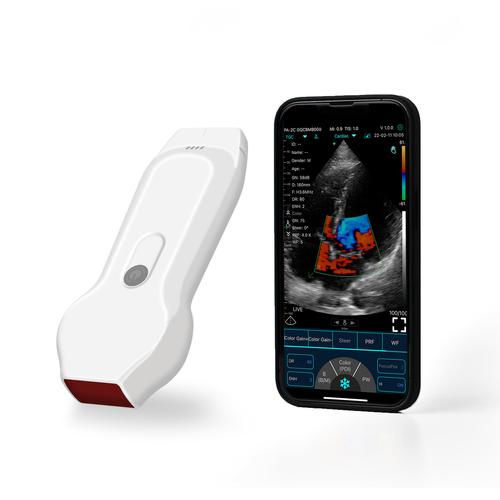
An ultrasound imaging machine is a medical device that uses high-frequency sound waves to produce images of structures within the body. The machine consists of a transducer that emits and receives sound waves, a computer processor that converts these waves into images, and a display monitor. Unlike X-rays or CT scans, ultrasound imaging doesn't use ionizing radiation, making it a safer option for frequent use, especially in sensitive cases like pregnancy.
Key Benefits of Ultrasound Imaging Technology
Ultrasound imaging machines offer numerous advantages in medical diagnostics. They provide real-time imaging, allowing physicians to observe movement and function of organs and blood flow. The non-invasive nature of ultrasound makes it patient-friendly, with no recovery time needed. These machines are particularly valuable for monitoring fetal development, diagnosing gallbladder disease, evaluating blood flow, and guiding needle biopsies. The absence of radiation exposure makes ultrasound ideal for repeated examinations.
Applications of Ultrasound Imaging Machines
Ultrasound technology has diverse applications across medical specialties. In obstetrics, it's essential for monitoring pregnancy and fetal development. Cardiologists use echocardiograms to examine heart structure and function. Emergency physicians rely on point-of-care ultrasound for rapid assessment of trauma patients. Other applications include abdominal imaging, musculoskeletal examinations, breast evaluations, and vascular studies. The versatility of ultrasound machines makes them valuable in hospitals, clinics, and even remote medical settings.
Types of Ultrasound Imaging Machines
Modern ultrasound machines come in various configurations to meet different clinical needs. Portable ultrasound systems offer mobility for bedside examinations and field use. Cart-based systems provide advanced features for comprehensive diagnostics. 3D and 4D ultrasound machines create volumetric images, particularly useful in obstetrics. Doppler ultrasound specializes in blood flow analysis. When selecting an ultrasound machine, consider factors like image quality, transducer options, software capabilities, and intended clinical applications.
Choosing the Right Ultrasound Imaging Machine
Selecting the appropriate ultrasound machine depends on your specific requirements. Consider the primary applications, desired image quality, and budget constraints. High-end systems offer superior resolution and advanced features, while compact models prioritize portability. Evaluate transducer compatibility, software upgrades, and warranty options. Our company specializes in providing high-quality ultrasound imaging machines tailored to various medical specialties, ensuring optimal performance and reliability for your diagnostic needs.
Frequently Asked Questions
How does an ultrasound imaging machine work?
Ultrasound machines use high-frequency sound waves that bounce off tissues and organs, creating echoes that are converted into real-time images.
Is ultrasound imaging safe?
Yes, ultrasound is considered extremely safe as it doesn't use ionizing radiation, making it ideal for pregnancy and repeated examinations.
What's the difference between 2D, 3D, and 4D ultrasound?
2D provides flat images, 3D creates volumetric reconstructions, while 4D adds the dimension of time (movement) to 3D images.
How often should ultrasound machines be serviced?
Annual preventive maintenance is recommended, with more frequent checks for heavily used equipment.
Can ultrasound detect all medical conditions?
While highly versatile, ultrasound has limitations and may be combined with other imaging modalities for comprehensive diagnosis.
Conclusion
Ultrasound imaging machines continue to revolutionize medical diagnostics with their versatility, safety, and advancing technology. Whether you need a basic system for general imaging or a specialized machine for cardiac or obstetric applications, choosing the right equipment is crucial. Explore our range of high-quality ultrasound machines designed to meet diverse clinical requirements and elevate your diagnostic capabilities.