Advanced Skin Analysis Machines: The Ultimate Guide for Beauty Professionals 2023_19
Advanced Skin Analysis Machines: The Ultimate Guide for Beauty Professionals 2023
The global skincare diagnostics market is projected to reach $12.8 billion by 2027 (Grand View Research), with professional skin analysis machines becoming essential tools for modern aesthetic practices. These devices help practitioners make data-driven treatment decisions while addressing critical client concerns about skin health accuracy and personalized care.
What is a Skin Analysis Machine?
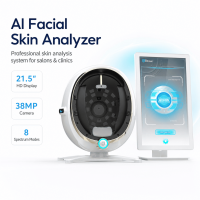
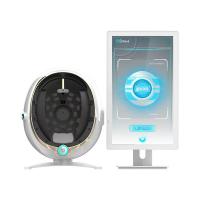
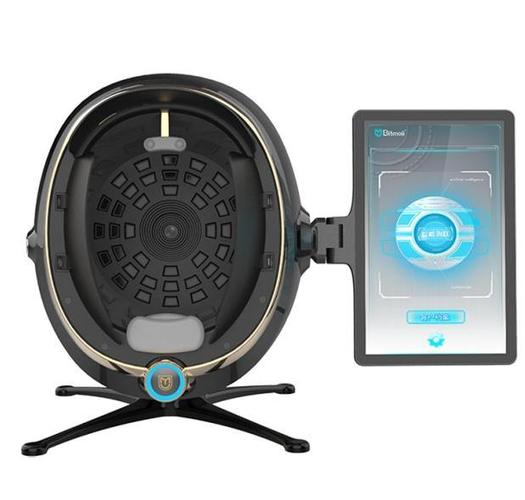
Modern skin analysis machines combine multispectral imaging, AI algorithms, and 3D mapping to evaluate up to 14 skin parameters including:
- Moisture levels (corneometry)
- Pigmentation (melanin index)
- Pore size quantification
- Elasticity (cutometry)
- Subsurface inflammation
Leading manufacturers comply with ISO 13485 medical device standards and FDA Class II certification for clinical use.
Technology Comparison Table
| Type | Resolution | Analysis Depth | Price Range |
|---|---|---|---|
| Standard VISIA | 12MP | Epidermis | $8,000-$12,000 |
| UV/RBX Pro | 24MP | Dermal Layer | $15,000-$25,000 |
| AI-Powered 3D | 50MP+ | Subcutaneous | $30,000+ |
Key Business Advantages
- Revenue Growth: Clinics report 40% higher treatment package sales with visual diagnostics
- Time Efficiency: Reduces consultation time by 65% compared to manual analysis
- Client Retention: 92% of users renew maintenance programs when shown progress scans
Emerging Market Opportunities
Brazilian chain Clínica Dermacorp increased client lifetime value by 220% after implementing mobile skin analysis stations across their 18 locations. The devices helped:
- Reduce staff training time from 3 weeks to 4 days
- Standardize assessments across practitioners
- Increase premium service conversion by 37%
Certification Checklist
Verify these certifications when sourcing:
- CE Mark (Medical Device Directive 93/42/EEC)
- FDA 510(k) Clearance
- ISO 9001/13485 Quality Management
- IEC 60601-1 Electrical Safety
FAQ Section
What's the typical MOQ for OEM orders?
Most manufacturers require 50-100 units for custom branding, with 10-20% price breaks at 500+ units.
Can machines analyze ethnic skin variations?
High-end models now feature Fitzpatrick Scale adjustments and melanin-specific algorithms.
How often should calibration be performed?
Annual professional calibration is recommended, with monthly self-tests using reference plates.
What software updates are included?
Standard 2-year software licenses typically cover diagnostic algorithm improvements.
Are there portable options for mobile services?
Yes, newer iPad-compatible devices weigh under 3kg with battery operation.
What payment terms are available?
Most suppliers offer 30% deposit with 70% balance before shipment, with financing options for bulk orders.
Download our 2023 Skin Tech Buyer's Guide for detailed specifications and ROI calculators to compare models for your practice.