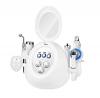

4D Ultrasound Machine Ultimate Guide 2024: How to Choose the Best Medical Imaging Equipment_24
The Complete Guide to 4D Ultrasound Machines in 2024
The global ultrasound equipment market is projected to reach $10.3 billion by 2027, with 4D technology driving 23% of growth (Grand View Research). As medical facilities worldwide upgrade their imaging systems, choosing the right 4D ultrasound machine becomes critical for accurate diagnostics and patient care.
4D Ultrasound Buying Guide: 7 Must-Check Features
When evaluating 4D ultrasound machines, consider these essential factors:
| Feature | Entry-Level | Professional |
|---|---|---|
| Frame Rate | 15-20 vol/s | 25+ vol/s |
| Probe Frequency | 3-5MHz | 2-8MHz |
Portable vs Cart-Based Systems
Portable 4D ultrasound machines offer mobility for bedside examinations, while cart-based systems provide superior image processing. The SonoSite Edge II demonstrates how compact designs can deliver diagnostic-quality 4D imaging.
Technical Deep Dive: How 4D Ultrasound Works
Modern 4D systems use volumetric scanning to capture 25-30 frames per second. Key technical specifications include:
- Beamforming technology (128+ channels)
- Real-time tissue harmonic imaging
- Advanced speckle reduction algorithms
Manufacturing Standards
Leading manufacturers comply with IEC 60601-1 safety standards and FDA 510(k) clearance requirements for medical ultrasound devices.
Industry Trends in Medical Ultrasound
North America accounts for 38% of 4D ultrasound adoption (Statista 2023), while Southeast Asia shows 17% annual growth. New EU MDR regulations require enhanced clinical documentation for ultrasound systems.
4D Ultrasound FAQ
Q: Can 4D ultrasound be used for cardiac imaging?
A: Yes, advanced systems with ECG synchronization enable fetal echocardiography.
Q: What certifications are required?
A: Look for CE, FDA, and ISO 13485 certifications.
Q: How to handle customs clearance?
A: Medical devices typically require HS code 901812 and product registration documents.