Understanding LED Heat Transfer: Key Factors for Optimal Performance_82
Understanding LED Heat Transfer: Key Factors for Optimal Performance
Introduction
LED technology has revolutionized lighting solutions across industries, but one critical aspect often overlooked is LED heat transfer. Effective thermal management directly impacts LED performance, lifespan, and energy efficiency. This article explores the fundamentals of LED heat transfer, its importance in modern lighting systems, and practical solutions for optimal thermal management.
What is LED Heat Transfer?
LED heat transfer refers to the process of dissipating thermal energy generated by light-emitting diodes during operation. Unlike traditional lighting, LEDs convert a significant portion of electrical energy into heat rather than light. Understanding heat transfer mechanisms - conduction, convection, and radiation - is essential for designing efficient LED systems that maintain optimal operating temperatures.
Why LED Heat Transfer Matters
Proper heat management in LEDs offers numerous benefits. It extends product lifespan by preventing thermal degradation, maintains consistent light output and color quality, and improves energy efficiency. Poor heat transfer can lead to lumen depreciation, color shifting, and ultimately, premature LED failure. Effective thermal solutions can reduce operating temperatures by 20-30%, significantly enhancing performance.
Applications of Thermal Management in LED Systems
LED heat transfer solutions find applications across various sectors. In architectural lighting, thermal management ensures long-term performance in challenging environments. Automotive LED systems require robust heat dissipation for reliability. Industrial and horticultural LED applications particularly benefit from advanced cooling solutions that maintain precise temperature ranges for optimal operation.
Types of LED Heat Transfer Solutions
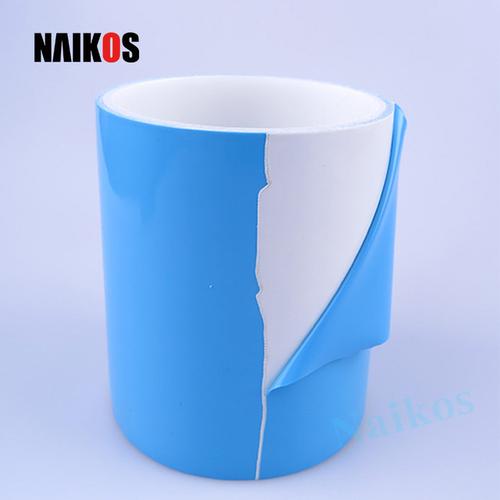
Modern LED cooling solutions include passive systems using heat sinks and thermal interface materials, active systems with fans or liquid cooling, and hybrid approaches. Aluminum heat sinks remain popular for their excellent thermal conductivity, while emerging materials like graphene show promise for future applications. The choice depends on power requirements, space constraints, and environmental factors.
Selecting the Right Thermal Solution
When choosing LED heat transfer components, consider power density, ambient conditions, and desired lifespan. High-power LEDs typically require active cooling, while low-power applications may suffice with passive solutions. Evaluate thermal resistance values, material properties, and system integration requirements to ensure compatibility with your specific LED application.
Industry Trends in LED Thermal Management
The LED heat transfer market is evolving with innovations in materials science and cooling technologies. Phase-change materials, advanced thermal interface compounds, and microchannel cooling systems represent cutting-edge developments. The growing demand for high-power LEDs in automotive and industrial applications continues to drive innovation in thermal management solutions.
Connecting Thermal Management to Product Performance
Our company specializes in high-performance LED heat transfer solutions designed for reliability and efficiency. From precision-engineered heat sinks to complete thermal management systems, our products help maximize LED performance across various applications. Explore our range of solutions tailored to your specific thermal management needs.
Frequently Asked Questions
Q: How does heat affect LED performance?
A: Excessive heat reduces light output, alters color characteristics, and shortens LED lifespan.
Q: What's the ideal operating temperature for LEDs?
A: Most LEDs perform best between 25°C and 85°C junction temperature, depending on the specific technology.
Q: Can I use any heat sink for my LED application?
A: Heat sinks must be properly sized and matched to the LED's thermal output for effective cooling.
Q: How often should thermal paste be replaced in LED systems?
A: Quality thermal interface materials typically last the LED's lifetime under normal operating conditions.
Q: Are liquid cooling systems practical for LED applications?
A: Liquid cooling becomes viable for high-power density applications where air cooling proves insufficient.
Conclusion
Effective LED heat transfer is fundamental to unlocking the full potential of LED technology. By implementing proper thermal management strategies, users can achieve superior performance, extended product life, and optimal energy efficiency. Contact our team today to find the perfect thermal solution for your LED application needs.