Understanding LED Heat Transfer: Key Factors for Optimal Performance_95
Understanding LED Heat Transfer: Key Factors for Optimal Performance
Introduction
LED technology has revolutionized lighting solutions across industries, but one critical aspect often overlooked is LED heat transfer. Effective thermal management is essential for maintaining LED performance, extending lifespan, and ensuring energy efficiency. This article explores the fundamentals of LED heat transfer, its importance, and practical solutions for optimal thermal management.
The Science Behind LED Heat Transfer
LED heat transfer refers to the process of dissipating thermal energy generated during LED operation. Unlike traditional lighting, LEDs convert about 60-70% of electrical energy into heat rather than light. This heat must be effectively transferred away from the LED chip to prevent performance degradation and premature failure. The primary mechanisms of LED heat transfer include conduction, convection, and radiation, with conduction being the most significant in most LED applications.
Why Proper LED Heat Transfer Matters
Effective LED heat transfer directly impacts several critical factors. First, it maintains optimal operating temperatures, preventing the LED chip from overheating which can cause color shifts and reduced light output. Second, proper thermal management extends the LED's lifespan significantly - for every 10°C reduction in junction temperature, LED life expectancy approximately doubles. Third, efficient heat transfer improves overall energy efficiency, as excessive heat leads to increased electrical resistance and power consumption.
Common LED Heat Transfer Solutions
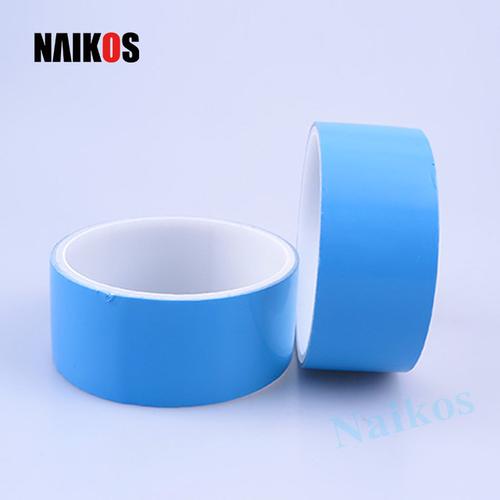
Various methods exist for managing LED heat transfer. Passive cooling solutions include aluminum heat sinks, which provide large surface areas for heat dissipation through conduction and convection. Thermal interface materials (TIMs) improve heat transfer between components. Active cooling systems like fans may be used in high-power applications. Advanced solutions incorporate heat pipes or vapor chambers for superior thermal conductivity in compact spaces.
Choosing the Right LED Heat Transfer Solution
Selecting the appropriate thermal management system depends on multiple factors. Consider the LED's power rating and expected heat output. Evaluate the operating environment - will there be adequate airflow for convection cooling? Space constraints often dictate whether passive or active cooling is more suitable. Material selection is crucial too, with aluminum being popular for its excellent thermal conductivity and cost-effectiveness.
Industry Trends in LED Thermal Management
The LED heat transfer field continues to evolve with emerging technologies. Phase-change materials show promise for high-heat applications. Nanotechnology is being applied to create more efficient thermal interface materials. Smart thermal management systems that actively monitor and adjust cooling are gaining traction. As LED power densities increase, these innovations will become increasingly important for maintaining performance and reliability.
Our LED Heat Transfer Solutions
Our company specializes in high-performance LED heat transfer solutions designed for various applications. From compact heat sinks for residential lighting to industrial-grade thermal management systems, we offer products that combine innovative design with proven materials. Our solutions are rigorously tested to ensure optimal thermal performance and long-term reliability in real-world conditions.
Frequently Asked Questions
Q: How does heat affect LED performance?
A: Excessive heat reduces light output, alters color characteristics, and significantly shortens lifespan.
Q: What's the ideal operating temperature for LEDs?
A: Most LEDs perform best with junction temperatures below 85°C, though specifications vary by product.
Q: Can I use any thermal paste for LED heat transfer?
A: It's best to use thermal compounds specifically formulated for LED applications to ensure optimal performance.
Q: How often should I clean my LED heat sink?
A: Depending on environment, cleaning every 6-12 months helps maintain optimal heat transfer efficiency.
Q: Are larger heat sinks always better?
A: While larger sinks generally dissipate more heat, proper design and material selection are more important than sheer size.
Conclusion
Understanding and implementing proper LED heat transfer solutions is crucial for maximizing the benefits of LED technology. By selecting appropriate thermal management systems and maintaining them properly, you can ensure optimal performance, longevity, and energy efficiency from your LED installations. Contact us today to learn more about our specialized LED heat transfer solutions.