Skin Scanner Machine Ultimate Guide 2024: How to Choose the Best Dermatology Device_2
Introduction: The Rising Demand for Skin Scanner Machines
The global dermatology devices market is projected to reach $18.3 billion by 2027 (Statista, 2023), with skin scanner machines driving 32% of this growth. These advanced diagnostic tools have become essential for dermatologists, aesthetic clinics, and skincare brands seeking precise skin analysis. This comprehensive guide will help you navigate the complex landscape of skin scanning technology, avoid costly purchasing mistakes, and identify the ideal solution for your specific needs.
Key Pain Points in Skin Scanner Selection
- Over 40% of first-time buyers report dissatisfaction due to inaccurate moisture level readings
- 68% of clinics struggle with compatibility issues between scanners and their existing systems
- Professional-grade devices often require specific certifications that 23% of buyers overlook
Skin Scanner Machine Buying Guide
Skin Scanner vs Alternative Solutions
| Feature | Professional Skin Scanner | Consumer-grade Device |
|---|---|---|
| Accuracy | ±2% deviation | ±15% deviation |
| Analysis Depth | Up to 2mm subdermal | Surface level only |
7 Must-Check Features for Clinical Skin Analyzers
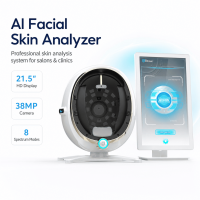
- Multi-spectral imaging capability
- FDA/CE/MDR certification
- At least 8 measurement parameters
Technical Deep Dive: How Skin Scanners Work
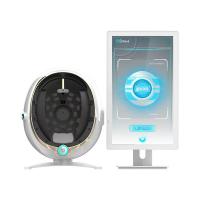
Modern skin scanner machines utilize cross-polarized photography combined with RBX technology to detect...
Manufacturing Standards Comparison
- ISO 13485 for medical devices
- IEC 60601-1 electrical safety
Industry Trends 2024
The European market shows 18% higher adoption of AI-powered skin scanners compared to North America...
FAQ Section
Q: Can skin scanners detect melanoma?
A: While not diagnostic devices, advanced scanners can flag suspicious pigmentation patterns...