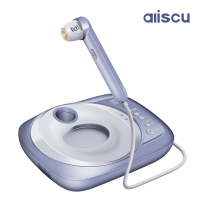
Skin Scanner Machine Ultimate Guide 2024: How to Choose the Best Dermatology Device_94
The Complete Guide to Skin Scanner Machines in 2024
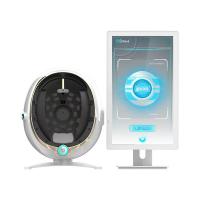
The global skin analysis device market is projected to reach $1.2 billion by 2027, growing at 8.3% CAGR according to Grand View Research. As skin cancer rates rise and consumers become more proactive about skincare, dermatologists and aesthetic clinics increasingly rely on advanced skin scanner machines for accurate diagnosis and treatment planning. This comprehensive guide will help you navigate the complex landscape of skin analysis technology, whether you're a medical professional sourcing equipment or a skincare retailer expanding your product line.
Skin Scanner Machine Buying Guide
When evaluating skin scanner machines, consider these critical factors:
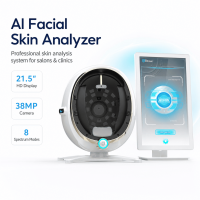
| Feature | Professional Grade | Consumer Grade |
|---|---|---|
| Resolution | 20MP+ | 5-8MP |
| Magnification | 50x-200x | 10x-30x |
| Lighting Modes | 6+ (including UV) | 2-3 (usually white light) |
7 Must-Check Features for Clinical Skin Scanners
- FDA/CE medical device certification
- Multi-spectral imaging capability
- Automated analysis software
- HIPAA-compliant data storage
- 3D skin surface reconstruction
- Portable design with sterilizable parts
- Cloud-based patient management system
Technical Specifications Explained
Modern skin scanners utilize several advanced technologies:

Optical Resolution: Measured in megapixels, determines how much detail the scanner can capture. For melanoma detection, minimum 12MP resolution is recommended.
Fluorescence Imaging: Special UV modes reveal sun damage beneath superficial skin layers, with 365nm wavelength being most effective for detecting precancerous cells.
Industry Trends and Regional Demand
North America currently dominates the skin scanner market (42% share), but Asia-Pacific shows fastest growth (11.2% CAGR) due to rising medical tourism and skincare awareness. New EU MDR regulations require stricter clinical validation for devices sold in European markets.
Frequently Asked Questions
Q: Can skin scanners detect all types of skin cancer?
A: While highly effective for melanoma and basal cell carcinoma, some rare forms may require biopsy confirmation.
Q: What certifications should international buyers verify?
A: Look for FDA 510(k) clearance, CE Mark (Class IIa or higher), and ISO 13485 manufacturing certification.