Skin Diagnosis Machine Ultimate Guide 2024: How to Choose the Best Professional Device_29
The Complete Guide to Skin Diagnosis Machines in 2024
Introduction: The Rising Demand for Skin Analysis Technology
The global skin diagnosis equipment market is projected to reach $8.9 billion by 2027, growing at 11.2% CAGR (Market Research Future). As skin health awareness increases worldwide, both dermatology clinics and beauty salons are investing in advanced diagnostic tools. This guide will help you navigate the complex landscape of skin analysis technology, whether you're a medical professional seeking clinical-grade equipment or an esthetician looking for salon solutions.
Skin Diagnosis Machine Buying Guide: 7 Key Considerations
Professional vs Consumer Devices Comparison
| Feature | Professional Grade | Consumer Grade |
|---|---|---|
| Accuracy | Medical-grade (95-99%) | 80-90% |
| Multi-spectral Imaging | Yes | Limited |
| AI Analysis | FDA-cleared algorithms | Basic pattern recognition |
7 Must-Check Features for Clinical Skin Analyzers
- FDA/CE/MDR certification status
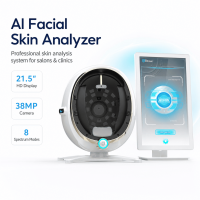
- Minimum 8-spectrum imaging capability
- Cloud-based patient data management
- 3D skin surface reconstruction
- Melanin/hemoglobin quantification
- Portable vs stationary design
- After-sales service network
Technical Deep Dive: How Skin Diagnosis Machines Work
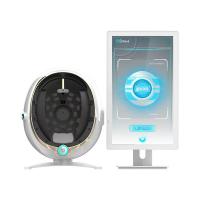
Modern skin scanners combine multiple technologies:
- Cross-polarized imaging for surface-level analysis
- UV fluorescence for bacterial detection
- RBX technology for pigment mapping
- AI algorithms trained on millions of skin images
Industry Trends: What's Next in Skin Analysis?
The latest developments include:
- At-home devices with professional accuracy (growing 23% YoY)
- Integration with telehealth platforms
- Mobile-connected portable scanners
- Sustainable materials in device manufacturing
Frequently Asked Questions
Can skin diagnosis machines detect skin cancer?
While advanced devices can identify suspicious lesions, they should never replace a dermatologist's evaluation. FDA-cleared devices are approved as adjunct tools only.
What certifications should I look for?
Medical-grade devices require FDA 510(k) clearance or CE MDR certification. Beauty devices should at least have CE Class I or IIa marking.
How to maintain skin scanners?
Daily calibration, monthly professional servicing, and regular software updates are essential for maintaining diagnostic accuracy.