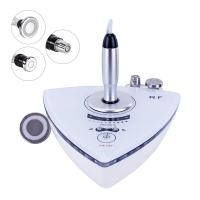
RF Skin Tightening Machine Ultimate Guide 2024: How to Choose the Best Professional Device_15
The Complete Guide to RF Skin Tightening Machines in 2024
The global aesthetic device market is projected to reach $28.3 billion by 2027, with RF skin tightening technology driving 23% of this growth according to Grand View Research. As consumers increasingly seek non-surgical solutions for skin rejuvenation, understanding how to select the right RF machine becomes critical for medical professionals and spa owners alike.
RF Skin Tightening Machine Buying Guide
When investing in professional-grade equipment, these 7 features are non-negotiable:
- Dual-frequency technology (0.5-2MHz range)
- Adjustable temperature control (38-42°C optimal)
- FDA/CE certified safety mechanisms
- At least 300W power output
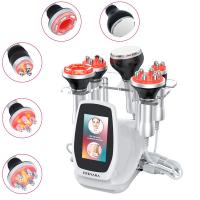
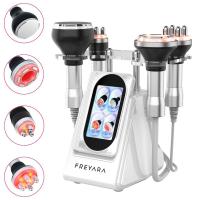
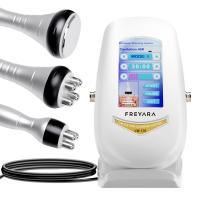
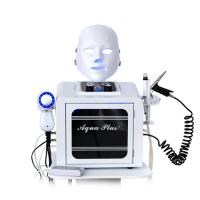
- Multi-tip applicator system
- Real-time impedance monitoring
- 3-year minimum warranty
| Feature | Professional Grade | Consumer Grade |
|---|---|---|
| Power Output | 300-600W | 50-150W |
| Treatment Depth | 4.5mm | 1.5-2mm |
Technical Specifications Explained
Modern RF machines utilize bipolar or multipolar radiofrequency waves that create controlled thermal injury in the dermis. This stimulates collagen production through three phases:
- Immediate collagen contraction (visible lifting)
- Neocollagenesis (3-6 weeks post-treatment)
- Collagen remodeling (3-6 month results)
The ideal treatment protocol involves 6-8 sessions spaced 2-3 weeks apart, with maintenance treatments every 3-6 months. Clinical studies show an average 37% improvement in skin elasticity when using 2MHz frequency at 40°C for 20 minutes per area.
Industry Trends and Compliance
European markets now require MDR 2017/745 certification for all class IIa medical aesthetic devices. Key regional preferences include:
- North America: Focus on FDA-cleared multi-application systems
- Europe: Preference for CE-marked devices with cooling technology
- Asia: Growing demand for portable devices with whitening functions
Frequently Asked Questions
Q: Can RF machines treat loose neck skin?
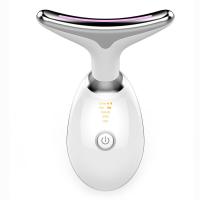
A: Yes, when using specialized smaller tips at lower frequencies (0.8-1MHz) for delicate areas.
Q: What certifications should I verify?
A: Look for FDA 510(k), CE Class IIa, ISO 13485, and IEC 60601-1 compliance.
Q: How to handle customs clearance?
A: Professional devices typically require HS code 9018.90.80 with medical device import permits in most countries.