RF Beauty Device Ultimate Guide 2024: How to Choose Professional Skin Tightening Equipment_25
The Complete Guide to RF Beauty Devices: Professional Insights for 2024
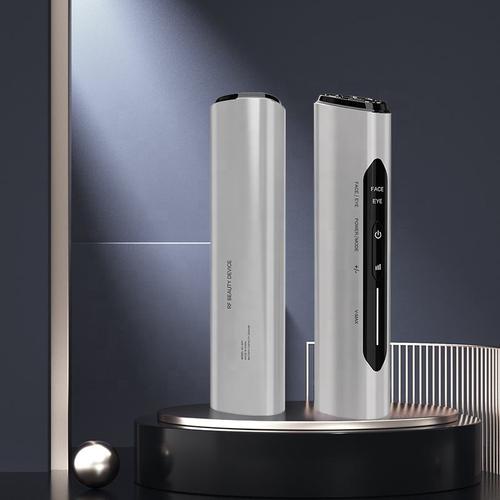
Introduction: The Growing Demand for RF Technology
The global radio frequency beauty device market is projected to reach $1.2 billion by 2025, growing at 8.7% CAGR according to Statista. As consumers increasingly seek non-invasive anti-aging solutions, RF technology has emerged as the gold standard for collagen stimulation and skin tightening. This comprehensive guide will help you navigate the complex landscape of professional RF equipment, whether you're a clinic owner or aesthetic practitioner.
RF Beauty Device Buying Guide
Professional vs Home Use Comparison
| Feature | Professional Grade | Home Device |
|---|---|---|
| Power Output | 50-100W | 5-15W |
| Treatment Depth | 4-6mm | 1-3mm |
| Safety Features | Multi-layer protection | Basic temperature control |
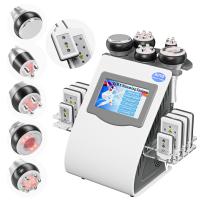
7 Must-Check Features for Professional RF Machines
- Dual frequency technology (1MHz/2MHz)
- Real-time temperature monitoring
- FDA/CE certification
- Adjustable energy levels
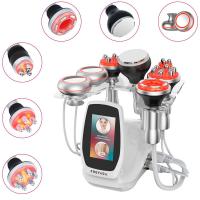
- Multi-handpiece system
- Cooling mechanism
- After-sales service package
Technical Deep Dive: How RF Devices Work
Radio frequency technology delivers controlled thermal energy to the dermis layer, stimulating collagen production through controlled micro-injuries. The optimal temperature range for collagen remodeling is 60-70°C, achieved through precise energy delivery systems in professional devices.
Manufacturing Standards Checklist
- ISO 13485 certified production
- Medical-grade materials
- EMC/RF emission compliance
- Clinical validation reports
Industry Trends and Regional Demand
North America currently leads in RF device adoption (38% market share), while Asia-Pacific shows the fastest growth (12.3% CAGR). The European market requires strict compliance with MDR 2017/745 regulations for medical aesthetic devices.
Frequently Asked Questions
Can RF devices treat all skin types?
Modern multi-polar RF systems are safe for Fitzpatrick skin types I-VI when proper protocols are followed.
What certifications are required?
Look for FDA 510(k) clearance, CE Mark (Class IIa or higher), and ISO 13485 certification for professional devices.
How to handle customs clearance?
Professional RF devices typically require HS code 9018.90 and may need special permits for radio frequency emissions in some countries.