RF Amplifier: Understanding the Key Components and Applications_25
An RF amplifier, or radio frequency amplifier, is a device that amplifies low-power radio frequency signals to a higher power level, making them suitable for transmission or further processing. These amplifiers are crucial in various communication systems, including wireless networks, broadcasting, and radar applications.
1. RF power amplifier2. RF signal booster
3. high-frequency amplifier
4. RF amplifier circuit
1. RF power amplifier
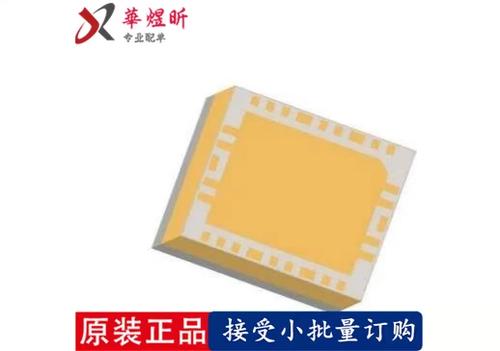
RF power amplifiers are designed to increase the power of RF signals while maintaining signal integrity and minimizing distortion. These amplifiers are commonly used in transmitters to boost the signal before it is sent to the antenna. Key characteristics of RF power amplifiers include efficiency, linearity, and output power. They are essential in applications such as cellular base stations, satellite communication, and military radar systems. Modern RF power amplifiers often use advanced semiconductor technologies like GaN (Gallium Nitride) and LDMOS (Laterally Diffused Metal Oxide Semiconductor) to achieve high performance and reliability.
2. RF signal booster
An RF signal booster is a type of amplifier used to enhance weak RF signals, improving reception and transmission quality. These devices are widely used in cellular networks, television broadcasting, and wireless internet systems. RF signal boosters can be installed in homes, vehicles, or commercial buildings to eliminate dead zones and ensure consistent signal strength. They work by capturing the existing signal, amplifying it, and then rebroadcasting the enhanced signal. When choosing an RF signal booster, factors such as frequency range, gain, and noise figure should be considered to ensure optimal performance.
3. High-frequency amplifier
High-frequency amplifiers are specialized RF amplifiers designed to operate at frequencies typically above 1 GHz. These amplifiers are critical in applications such as microwave communication, satellite links, and high-speed data transmission. High-frequency amplifiers must exhibit low noise and high gain to maintain signal quality at elevated frequencies. They are often constructed using materials and components that minimize parasitic effects, such as surface mount devices (SMDs) and microstrip lines. The design of high-frequency amplifiers requires careful consideration of impedance matching and thermal management to ensure stability and longevity.
4. RF amplifier circuit
An RF amplifier circuit is the electronic circuitry that forms the backbone of an RF amplifier. It typically includes components such as transistors, capacitors, inductors, and resistors, arranged to amplify RF signals efficiently. The design of an RF amplifier circuit involves selecting the right components and topology to meet specific performance criteria, such as bandwidth, gain, and noise figure. Common circuit configurations include common-emitter, common-base, and common-collector for bipolar transistors, and common-source, common-gate, and common-drain for FETs. Advanced RF amplifier circuits may also incorporate feedback mechanisms and matching networks to optimize performance.
RF amplifiers play a pivotal role in modern communication systems, enabling the transmission and reception of high-quality signals across various applications. Whether you need a high-power amplifier for a broadcast station, a signal booster for your home, or a high-frequency amplifier for satellite communication, understanding the different types and their functionalities is essential. By exploring the topics above, you can gain a deeper insight into how RF amplifiers work and how to select the right one for your needs. Stay tuned to learn more about the latest advancements in RF amplifier technology and their impact on the industry.
In conclusion, RF amplifiers are indispensable components in today's wireless communication landscape. From powering cellular networks to enabling high-speed data transmission, these devices ensure that signals are amplified efficiently and reliably. By understanding the various types of RF amplifiers and their applications, you can make informed decisions when selecting or designing these critical components. As technology continues to evolve, RF amplifiers will remain at the forefront of innovation, driving the future of connectivity.