Understanding RF Impedance Analyzers: Key Features and Applications for Precise Measurements_15
Understanding RF Impedance Analyzers: Key Features and Applications for Precise Measurements
Introduction
RF impedance analyzers are essential tools for engineers and technicians working with high-frequency circuits and components. These sophisticated instruments provide accurate measurements of impedance, capacitance, inductance, and other critical parameters at radio frequencies. In today's fast-paced electronics industry, having reliable RF impedance measurement capabilities can make the difference between a successful product launch and costly design failures.
What is an RF Impedance Analyzer?
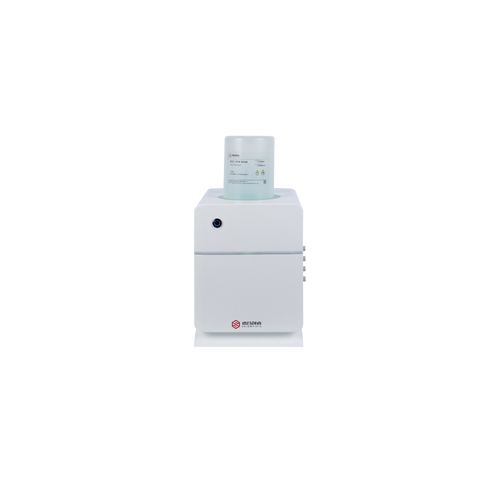
An RF impedance analyzer is a specialized electronic test instrument designed to measure the impedance of components and circuits at radio frequencies. Unlike standard multimeters or LCR meters, these devices operate in the RF spectrum, typically from a few kilohertz up to several gigahertz. The analyzer applies a known AC signal to the device under test and measures both the magnitude and phase of the resulting current to determine complex impedance.
Key Benefits of RF Impedance Analyzers
Modern RF impedance analyzers offer numerous advantages for high-frequency testing. They provide unmatched accuracy in measuring complex impedance parameters, enabling engineers to characterize components with precision. These instruments significantly reduce measurement uncertainty compared to traditional methods, especially at higher frequencies. The ability to perform swept frequency measurements allows for comprehensive analysis of component behavior across the entire frequency range of interest.
Applications in Various Industries
RF impedance analyzers find applications across multiple industries. In telecommunications, they're used to test antennas, filters, and RF components. The aerospace industry relies on them for avionics testing and radar system verification. Medical device manufacturers use these analyzers to characterize implantable devices and diagnostic equipment. Research laboratories employ them for material characterization and nanotechnology development.
Choosing the Right RF Impedance Analyzer
Selecting the appropriate RF impedance analyzer depends on several factors. Frequency range is the primary consideration - ensure the analyzer covers all frequencies of interest. Measurement accuracy specifications vary between models, with higher-end instruments offering better precision. Consider the number of test ports needed and whether vector network analyzer functionality would be beneficial. Software capabilities and connectivity options should also influence your decision.
Connecting to Our Products
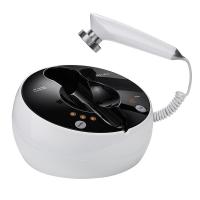
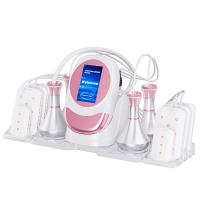
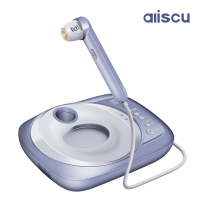
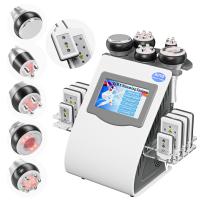
Our company specializes in high-performance RF impedance analyzers designed for professional applications. We offer a range of models to suit different testing requirements and budgets. Our instruments combine advanced measurement capabilities with user-friendly interfaces, making them ideal for both research and production environments. Contact our sales team to discuss which analyzer best matches your specific needs.
Frequently Asked Questions
Q: What's the difference between an RF impedance analyzer and a network analyzer?
A: While both measure impedance, network analyzers typically focus on S-parameters and are more complex, while impedance analyzers specialize in precise component measurements.
Q: How often should I calibrate my RF impedance analyzer?
A: Regular calibration is essential - we recommend annual calibration for most applications, or more frequently for critical measurements.
Q: Can I measure both passive and active components?
A: Most RF impedance analyzers are designed for passive components, though some specialized models can handle certain active devices.
Q: What accessories do I need for accurate measurements?
A: High-quality test cables, calibration standards, and proper fixtures are essential for reliable measurements.
Q: How does temperature affect RF impedance measurements?
A> Temperature variations can significantly impact measurements, especially for components with temperature-sensitive materials.
Conclusion
RF impedance analyzers are indispensable tools for anyone working with high-frequency electronics. By understanding their capabilities and proper application, you can significantly improve your testing processes and product quality. Explore our selection of professional-grade analyzers today to find the perfect solution for your measurement challenges.