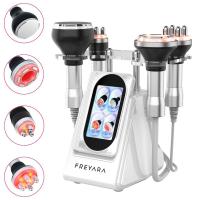
Professional HIFU Machine Buyer's Guide 2024: How to Choose the Best Non-Surgical Face Lift Device_38
The Ultimate Guide to Professional HIFU Machines in 2024
The global non-invasive aesthetic device market is projected to reach $15.9 billion by 2027, with HIFU technology leading 32% of that growth (Statista 2023). As demand for non-surgical facelift solutions surges, medical professionals and clinic owners face critical challenges in selecting reliable, effective HIFU equipment. This comprehensive guide will walk you through essential purchasing considerations, technical specifications, and emerging industry trends to help you make informed decisions.
Professional HIFU Machine Buying Guide
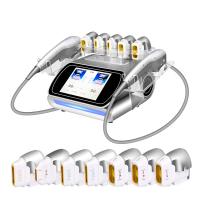
When investing in professional-grade HIFU equipment, these seven features are non-negotiable:
- FDA/CE certification for safety compliance
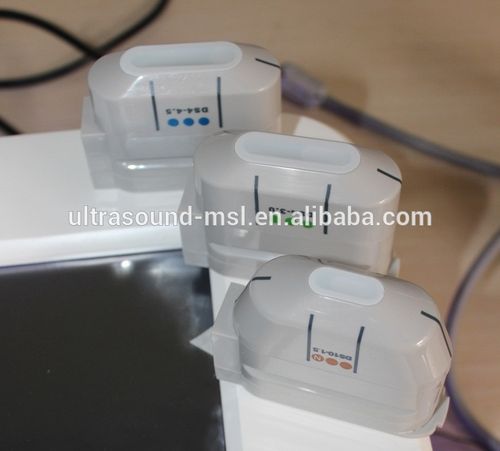
- Adjustable depth settings (1.5mm-4.5mm)
- Precision targeting with 0.5mm accuracy
- Real-time temperature monitoring
- Minimum 200,000 treatment shots capacity
- Dual-frequency options (4MHz/7MHz)
- 3-year manufacturer warranty
Comparison: HIFU vs Alternative Technologies
| Feature | HIFU | RF | Laser |
|---|---|---|---|
| Collagen stimulation | ++++ | ++ | + |
| Treatment depth | 4.5mm | 2mm | 1mm |
| Downtime | None | None | 1-3 days |
Technical Specifications Explained
Modern professional HIFU machines should deliver energy at 0.8-1.2J per shot with frequency stability within ±0.1MHz. The treatment handpiece must maintain consistent energy output across all transducers, with less than 5% variance between shots. Look for ISO 13485 certified manufacturers who provide detailed technical documentation and clinical study results.
How HIFU Stimulates Collagen Production
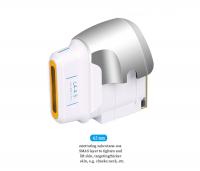
The ultrasound waves create precise thermal coagulation points at specific tissue depths (SMAS layer), triggering natural healing responses that produce new collagen over 3-6 months. Optimal treatment protocols recommend 200-300 shots per facial zone at 4.5mm depth for foundational lifting, followed by 100-150 shots at 3.0mm for dermal tightening.
Industry Trends and Regional Demand
North America dominates 41% of the professional HIFU market due to advanced adoption in medical spas, while Southeast Asia shows fastest growth (18% CAGR) driven by medical tourism. New EU MDR regulations require additional clinical data for CE certification, impacting 2024 device approvals. Environmentally conscious clinics now prioritize machines with energy-saving modes (under 500W) and lead-free components.
Frequently Asked Questions
Q: Can HIFU treat double chins effectively?
A: Yes, when using 4.5mm depth settings with specialized submental transducers. Most devices require 150-200 shots per treatment session.
Q: What certifications should I verify?
A: FDA 510(k) for US markets, CE Class IIa for Europe, and KFDA for South Korea. Always request test reports for electrical safety (IEC 60601) and ultrasound output (IEC 61157).
Q: How to handle customs clearance?
A: Professional HIFU machines typically fall under HS code 9018.19 and require original manufacturer certificates, packing lists, and sometimes local distributor authorization letters.