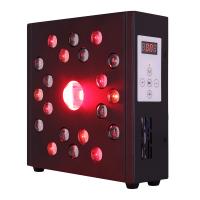
LED heat sink cooling: How to Choose the Best Cooling Solution for LED Lights_91
LED Heat Sink Cooling: How to Choose the Best Cooling Solution for LED Lights
LED heat sink cooling is essential for maintaining the efficiency and lifespan of LED lighting systems. Proper thermal management prevents overheating, ensuring optimal performance and durability. This article explores various cooling solutions to help you make an informed decision.
Table of Contents
1. Types of LED heat sinks2. Best materials for LED heat sinks
3. How to improve heat dissipation in LED lights
4. Active vs passive cooling for LEDs
1. Types of LED heat sinks
LED heat sinks come in various designs, each suited for specific applications. The most common types include extruded, stamped, bonded fin, and forged heat sinks. Extruded heat sinks are popular due to their cost-effectiveness and versatility. Stamped heat sinks are lightweight and ideal for low-power LEDs. Bonded fin heat sinks offer excellent thermal performance for high-power applications. Forged heat sinks provide superior durability and heat dissipation. Understanding these types helps in selecting the right cooling solution for your LED lighting needs.
2. Best materials for LED heat sinks
Choosing the right material is crucial for effective LED heat sink cooling. Aluminum is the most widely used material due to its excellent thermal conductivity and lightweight properties. Copper offers even better thermal performance but is heavier and more expensive. Composite materials, such as aluminum-graphite, provide a balance between performance and cost. Ceramic heat sinks are used in specialized applications where electrical insulation is required. Each material has its advantages, and the choice depends on factors like budget, application, and thermal requirements.
3. How to improve heat dissipation in LED lights
Improving heat dissipation in LED lights involves several strategies. Proper heat sink design is critical, ensuring maximum surface area for heat transfer. Using thermal interface materials (TIMs) like thermal paste or pads enhances contact between the LED and heat sink. Adequate airflow around the heat sink, either through natural convection or forced cooling, improves dissipation. Regular maintenance, such as cleaning dust and debris, ensures optimal performance. Implementing these techniques can significantly extend the lifespan and efficiency of your LED lighting system.
4. Active vs passive cooling for LEDs
Active and passive cooling methods each have their pros and cons for LED heat sink cooling. Passive cooling relies on natural convection and radiation, requiring no moving parts, making it silent and maintenance-free. However, it may not be sufficient for high-power LEDs. Active cooling uses fans or liquid cooling systems to enhance heat dissipation, offering superior performance for demanding applications. The choice between active and passive cooling depends on factors like power output, space constraints, and noise tolerance. Understanding these options helps in selecting the most suitable cooling method for your LED setup.
LED heat sink cooling is a critical aspect of LED lighting systems, impacting performance, efficiency, and longevity. By exploring different types of heat sinks, materials, and cooling methods, you can make informed decisions to optimize your LED setup. Whether you need cost-effective solutions or high-performance cooling, understanding these factors ensures you choose the best option for your specific requirements. Stay ahead in thermal management to get the most out of your LED lighting investments.