Ultimate Guide to LED Heat Sink Cooling: Types, Benefits and Selection Tips_12
Ultimate Guide to LED Heat Sink Cooling: Types, Benefits and Selection Tips
Introduction
LED heat sink cooling plays a critical role in maintaining optimal performance and longevity of LED lighting systems. As LEDs continue to dominate the lighting industry with their energy efficiency and durability, proper thermal management becomes increasingly important. This comprehensive guide will explore the fundamentals of LED heat sink cooling, its various types, significant benefits, and practical selection criteria to help you make informed decisions for your lighting projects.
What is LED Heat Sink Cooling?
LED heat sink cooling refers to the process of dissipating heat generated by LED components through specially designed heat sinks. These passive cooling devices work by transferring thermal energy away from the LED chips to the surrounding environment. The effectiveness of LED heat sink cooling directly impacts the light output, color consistency, and operational lifespan of LED fixtures.
Importance of Proper LED Heat Sink Cooling
Effective LED heat sink cooling offers numerous advantages. It prevents thermal runaway, maintains consistent light output, and extends LED lifespan by up to 50%. Proper cooling also ensures color stability and reduces the risk of premature failure. Without adequate heat dissipation, LED performance degrades significantly, and the risk of catastrophic failure increases exponentially with temperature.
Types of LED Heat Sink Cooling Solutions
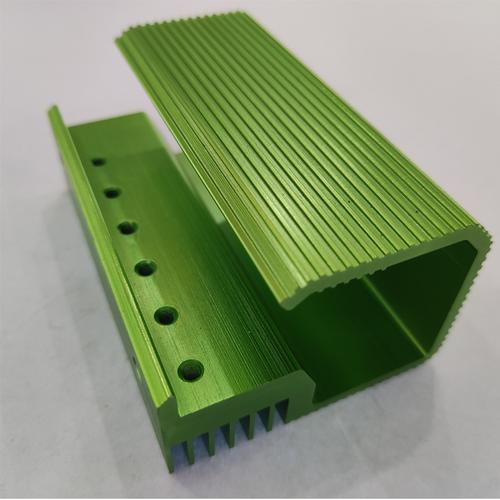
The market offers several types of LED heat sink cooling solutions. Aluminum extruded heat sinks provide excellent thermal conductivity at reasonable costs. Die-cast aluminum heat sinks offer more complex shapes and better aesthetics. Stamped metal heat sinks are lightweight and cost-effective for low-power applications. For high-performance needs, liquid-cooled heat sinks and heat pipes provide superior cooling capacity.
How to Choose the Right LED Heat Sink
Selecting the appropriate LED heat sink cooling solution requires considering multiple factors. Evaluate the thermal resistance requirements based on your LED's wattage and operating environment. Consider the available space constraints and weight limitations. The material choice affects both performance and cost, with aluminum being the most popular balance between conductivity and affordability. Finally, assess the need for additional features like fins for increased surface area or special coatings for corrosion resistance.
Industry Trends in LED Heat Sink Cooling
The LED heat sink cooling industry continues to evolve with new technologies. We're seeing increased adoption of phase-change materials and graphene-enhanced solutions for higher thermal conductivity. Smart heat sinks with integrated temperature sensors are gaining popularity for critical applications. The market is also shifting toward more sustainable materials and manufacturing processes to reduce environmental impact.
Our Premium LED Heat Sink Solutions
Our company specializes in high-performance LED heat sink cooling solutions for commercial and industrial applications. We offer a wide range of custom-designed heat sinks that combine optimal thermal performance with aesthetic appeal. Our engineering team can help you select or design the perfect cooling solution for your specific LED application requirements.
Frequently Asked Questions
Q: How does LED heat sink cooling work?
A: Heat sinks absorb thermal energy from LEDs and dissipate it through conduction, convection, and radiation.
Q: What material is best for LED heat sinks?
A: Aluminum is most common due to its excellent thermal conductivity and cost-effectiveness.
Q: How important is surface area for heat dissipation?
A: Larger surface areas significantly improve cooling efficiency through enhanced convection.
Q: Can I use the same heat sink for different LED types?
A: Heat sinks should be matched to specific LED wattages and thermal characteristics.
Q: How do I know if my heat sink is adequate?
A: Monitor LED junction temperature - it should stay within manufacturer specifications.
Conclusion
Proper LED heat sink cooling is essential for maximizing the performance and lifespan of your LED lighting systems. By understanding the principles, types, and selection criteria discussed in this guide, you can make informed decisions about thermal management solutions. Contact our experts today to find the perfect cooling solution for your specific LED application needs.