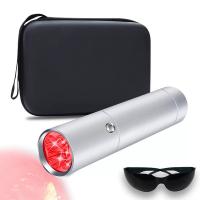
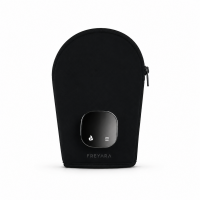
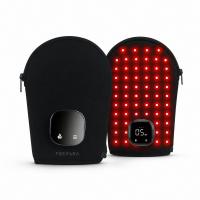
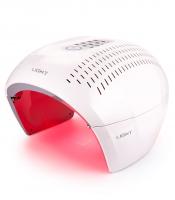
Facial Light Therapy Device Ultimate Guide 2024: How to Choose the Best Skin Rejuvenation Tool_86
The Complete Guide to Facial Light Therapy Devices in 2024
The global facial light therapy market is projected to reach $1.2 billion by 2027, growing at 5.8% CAGR according to Grand View Research. As consumers increasingly seek non-invasive skincare solutions, understanding how to select the right facial light therapy device becomes crucial. This comprehensive guide covers everything from technical specifications to regional compliance standards, helping you make informed purchasing decisions.
Facial Light Therapy Buying Guide
When comparing facial light therapy devices, consider these key factors:
| Feature | Professional Grade | Home Use |
|---|---|---|
| Light Intensity | 50-100 mW/cm² | 10-30 mW/cm² |
| Wavelength Options | 5-7 colors | 2-3 colors |
| Treatment Area | Full face + neck | Face only |
7 Must-Check Features for LED Light Therapy Masks
- FDA clearance for cosmetic use
- Medical-grade LED bulbs (300+ hours lifespan)
- Adjustable intensity settings
- Multiple wavelength options (red/blue/infrared)
- Ergonomic face contour design
- Auto shut-off safety feature
- CE/RoHS certification for EU markets
Technical Specifications Explained
Modern facial light therapy devices utilize specific wavelengths:
- Blue light (415nm): Targets acne-causing bacteria
- Red light (630-660nm): Stimulates collagen production
- Near-infrared (850nm): Penetrates deeper tissue layers
For optimal results, devices should deliver 20-30 J/cm² energy density per session. Look for IEC 62471 photobiological safety certification.
Industry Trends and Compliance
The European market shows 42% year-over-year growth in handheld devices, while North America dominates clinical-grade systems. New FDA guidelines require clear labeling of contraindications for photosensitive users. Eco-conscious manufacturers now use recyclable ABS plastic and lead-free components.
Frequently Asked Questions
Q: Can light therapy help with rosacea?
A: Amber/yellow light (590nm) shows clinical efficacy for reducing redness and inflammation.
Q: What certifications are required for export?
A: FDA 510(k) for US, CE MDD for EU, and TGA approval for Australia.
Q: How to calculate import duties?
A: Classified under HS code 9013.80 with 3.7% average tariff in most countries.