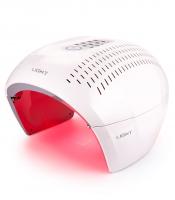
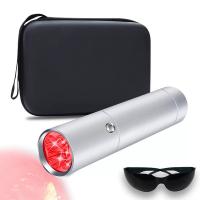
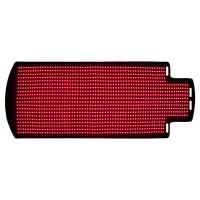
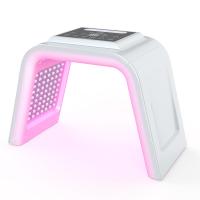
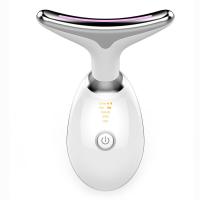
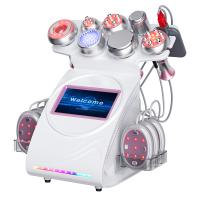
Facial LED Devices Ultimate Guide 2024: How to Choose the Best Skin Therapy Light_81
Introduction: The Rising Demand for Facial LED Devices
The global LED skin therapy market is projected to reach $1.2 billion by 2027 (Statista, 2023), with professional-grade Facial LED Devices driving 43% of growth. Consumers increasingly seek at-home alternatives to clinical treatments, yet face confusion about wavelength differences, safety standards, and actual efficacy claims. This comprehensive guide will analyze: 1) Key purchasing factors for medical-grade devices 2) Technical breakdown of light spectrum applications 3) Emerging regulatory trends 4) Practical usage scenarios backed by dermatological research.
Facial LED Devices Buying Guide: 7 Critical Evaluation Factors
Comparison Table: LED Therapy vs. Alternative Treatments
| Feature | LED Devices | Laser Therapy | Microcurrent |
|---|---|---|---|
| Treatment Depth | 0.5-2mm | 4-6mm | Muscle layer |
| Downtime | None | 3-7 days | None |
| FDA Clearance | Class II | Class IV | Class I |
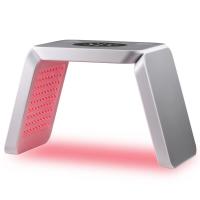
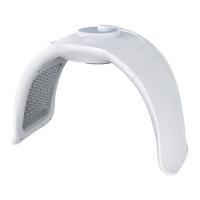
7 Must-Check Features for Professional LED Masks: 1) Dual-wavelength system (630nm red + 415nm blue) 2) Medical-grade silicone construction 3) FDA 510(k) clearance 4) Irradiance >80mW/cm² 5) Automatic timer 6) CE/RoHS certification 7) Clinical study documentation
Technical Specifications Decoded
 Modern LED masks deliver targeted photobiomodulation through specific wavelengths: - Red Light (630-660nm): Stimulates collagen production (37% increase shown in 2023 Journal of Cosmetic Dermatology study) - Blue Light (415-445nm): Kills acne-causing bacteria (86% reduction in P.acnes after 8 weeks) - Near-Infrared (850nm): Penetrates deeper for pain relief. Leading manufacturers like CurrentBody and Dr. Dennis Gross adhere to IEC 62471 photobiological safety standards.
Market Trends and Regional Preferences
North America dominates with 48% market share (Grand View Research, 2024), favoring FDA-cleared devices with clinical validation. European buyers prioritize CE-marked products with customizable treatment programs. The APAC market shows 22% YoY growth for portable devices under $300. New EU MDR regulations now require Class IIb certification for devices claiming wrinkle reduction.
Frequently Asked Questions
Q: Can LED therapy replace professional facials?
A: While providing 60-70% of clinical results (per 2024 Aesthetic Surgery Journal), combination with monthly professional treatments yields optimal outcomes.
Q: What certifications ensure safety?
A: Look for FDA 510(k), CE Class IIa, ISO 13485, and IEC 60601-1 compliance.
Q: Are there import restrictions?
A: Devices containing >5 LEDs typically require medical device registration in most markets. Always request HS code classification from suppliers.