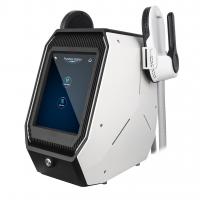
EMS Training Machine Ultimate Guide 2024: How to Choose the Best Electrical Muscle Stimulator_24
The Complete Guide to EMS Training Machines in 2024
The global EMS (Electrical Muscle Stimulation) equipment market is projected to reach $1.2 billion by 2027, growing at 6.8% CAGR according to Market Research Future. As more fitness enthusiasts and athletes discover the benefits of EMS technology, choosing the right machine becomes crucial. This comprehensive guide will help you navigate through technical specifications, safety considerations, and purchasing factors for both commercial and home use EMS devices.
EMS Machine Buying Guide: Key Considerations
When investing in an EMS training machine, these seven features are non-negotiable:
- FDA/CE certification for safety compliance
- Adjustable frequency range (1-150Hz)
- Multiple program presets for different training goals
- Wireless connectivity options
- Battery life of at least 6 hours
- Water-resistant electrodes
- Manufacturer warranty (minimum 2 years)
EMS vs Traditional Workout Equipment
| Feature | EMS Machine | Traditional Equipment |
|---|---|---|
| Time Efficiency | 20-min sessions equal 90-min workout | Requires longer duration |
| Muscle Activation | Simultaneous full-body engagement | Isolated muscle groups |
| Recovery Benefits | Built-in recovery programs | Limited recovery support |
Technical Specifications Explained
Modern EMS machines feature advanced microcurrent technology with these key parameters:
- Pulse Width: 50-400μs for optimal muscle penetration
- Output Current: 0-100mA adjustable intensity
- Channel Capacity: 4-10 independent channels for targeted training
The latest models incorporate AI algorithms that automatically adjust stimulation patterns based on muscle response feedback, making them significantly more effective than previous generations.
Industry Trends and Regional Demand
Europe currently dominates the EMS market with 42% share, driven by Germany's strong fitness culture. The Asia-Pacific region shows fastest growth at 9.2% CAGR, particularly in South Korea and Japan where EMS is widely adopted in physical therapy. New EU regulations now require all EMS devices to meet EN 60601-1 medical electrical equipment standards.
Frequently Asked Questions
Q: Can EMS replace traditional workouts completely?
A: While EMS provides efficient muscle activation, it should complement rather than replace conventional exercise for optimal cardiovascular and mobility benefits.
Q: What certifications should I look for?
A: Ensure devices have FDA clearance (US), CE marking (EU), or MFDS approval (Korea). Medical-grade devices will have additional ISO 13485 certification.
Q: Are there import restrictions?
A: Most countries classify EMS machines as medical devices requiring special customs clearance. Always check with local authorities and request proper documentation from suppliers.