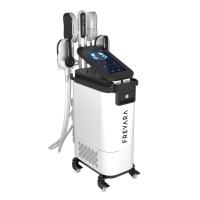
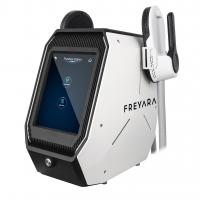
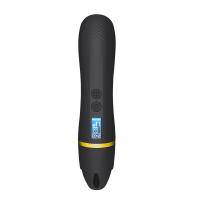
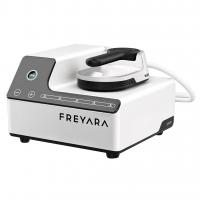
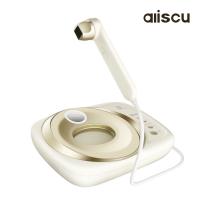
EMS Microcurrent Instrument Ultimate Guide 2024: How to Choose Professional Muscle Stimulators_27
The Rising Demand for EMS Technology
The global EMS device market is projected to reach $1.2 billion by 2027, growing at 6.8% CAGR according to Grand View Research. As more fitness enthusiasts and rehabilitation patients seek non-invasive muscle stimulation solutions, understanding EMS microcurrent instruments becomes crucial. This guide will help you navigate through technical specifications, purchasing considerations, and emerging industry trends.
Comprehensive Purchasing Guide
When comparing EMS microcurrent instruments to traditional TENS units, key differences emerge:
| Feature | EMS Device | TENS Unit |
|---|---|---|
| Primary Function | Muscle contraction | Pain relief |
| Current Type | Microcurrent | Millicurrent |
Essential checklist for professional-grade devices:
- FDA/CE certification
- Adjustable frequency (1-150Hz)
- Multiple program settings
Technical Deep Dive
Modern EMS instruments utilize patented waveform technology that mimics natural nerve signals. The optimal pulse width ranges between 200-400 microseconds for effective muscle activation without discomfort. Leading manufacturers like Compex and PowerDot incorporate impedance monitoring to automatically adjust output.
Regional Market Insights
European markets show 22% higher adoption in physiotherapy clinics compared to North America, while Southeast Asia demonstrates fastest growth in home-use segment (Statista 2023). New EU MDR regulations require additional biocompatibility testing for electrodes starting Q2 2024.
Frequently Asked Questions
Q: Can EMS replace weight training?
A: While effective for muscle activation, EMS should complement traditional exercise rather than replace it entirely.
Q: What certifications matter most?
A: Look for FDA Class II medical device clearance or CE MDD/MDR certification for professional use.