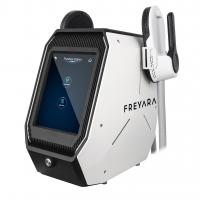
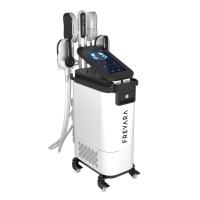
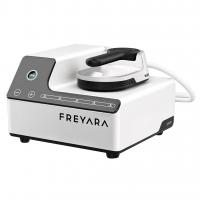
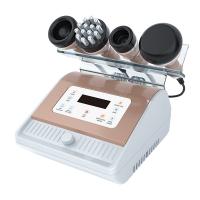
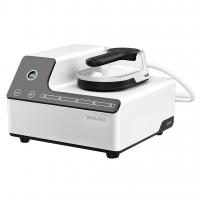
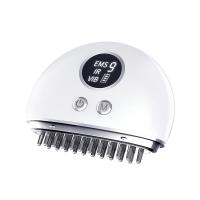
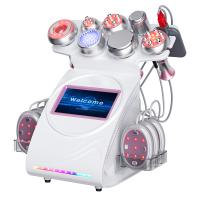
Electrical Muscle Stimulation (EMS) Technology: Benefits, Applications & Buying Guide_79
Electrical Muscle Stimulation (EMS) Technology: Benefits, Applications & Buying Guide
Electrical muscle stimulation (EMS) has become a game-changer in both fitness and rehabilitation industries globally. For international buyers, understanding EMS technology specifications, compliance requirements, and supplier verification processes is crucial for making informed procurement decisions while mitigating supply chain risks.
What is Electrical Muscle Stimulation?
Electrical Muscle Stimulation (EMS) is a technology that uses electrical impulses to elicit muscle contractions, mimicking the natural process of voluntary muscle activation. Modern EMS devices typically operate at frequencies between 1-150 Hz with adjustable intensity levels up to 100mA.
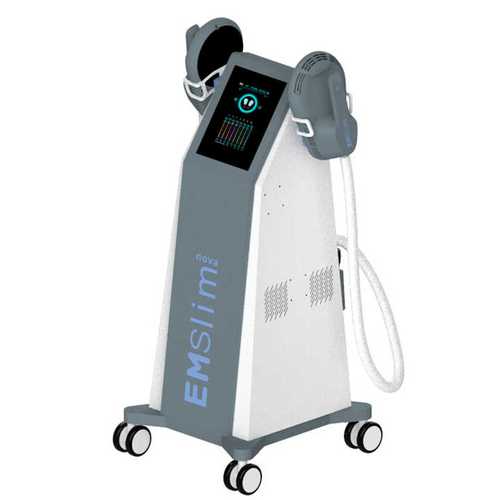
EMS vs Alternative Technologies
| Technology | Advantages | Disadvantages |
|---|---|---|
| EMS | - Targeted muscle activation - No joint stress - Measurable results | - Requires proper electrode placement - Not suitable for certain medical conditions |
| TENS | - Pain relief - Simple operation | - Doesn't build muscle - Temporary effects |
Key Benefits for International Buyers
- Cost Efficiency: Reduces training/rehabilitation time by up to 40% according to 2023 sports medicine studies
- Compliance: Meets ISO 13485 for medical devices and EN 60601-1 safety standards
- Market Potential: Global EMS market projected to reach $1.2 billion by 2027 (Grand View Research)
Certification Requirements
Reputable EMS manufacturers should provide:
- CE Marking (Medical Device Directive 93/42/EEC)
- FDA 510(k) clearance for US market
- ISO 9001:2015 Quality Management
- RoHS compliance
Supplier Evaluation Checklist
- Verify manufacturing facility audits
- Request clinical trial data
- Confirm IP protection for proprietary technology
- Evaluate after-sales service network
Emerging Market Case Study
A German rehabilitation center reduced patient recovery time by 35% after implementing FDA-cleared EMS devices from certified suppliers, with ROI achieved in 8 months.
FAQ Section
What negotiation strategies work best for EMS equipment?
Focus on total cost of ownership rather than just unit price. Consider bulk discounts for 50+ units and inquire about warranty extensions.
What are typical MOQs for EMS devices?
Standard models usually have MOQs of 20-50 units, while customized solutions may require 100+ units.
Can EMS devices be customized for specific markets?
Yes, reputable manufacturers offer voltage adjustments, multilingual interfaces, and region-specific compliance modifications.
How do suppliers handle international logistics?
Established providers typically manage EXW, FOB, or DDP shipments with pre-shipment testing documentation.
What quality guarantees should I expect?
Look for 2-3 year warranties with performance guarantees backed by third-party lab test reports.
What payment terms are standard?
30% deposit with 70% balance before shipment is common, with LC options for first-time buyers.
Ready to source high-quality EMS devices? Download our buyer's guide or schedule a consultation with our trade specialists today.