Digital Skin Analysis Machine Ultimate Guide 2024: How to Choose the Best Professional Device_7
The Rising Demand for Digital Skin Analysis Technology
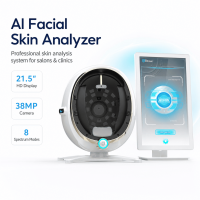
The global skin analysis devices market is projected to reach $1.2 billion by 2027, growing at 8.3% CAGR according to Grand View Research. As skincare professionals seek more precise diagnostic tools, digital skin analysis machines have become essential equipment in dermatology clinics, spas, and aesthetic centers worldwide.
Modern consumers demand personalized skincare solutions, creating urgent need for accurate skin assessment devices. Traditional visual examination fails to detect 63% of subsurface skin conditions, while digital analyzers can identify issues like dehydration, pigmentation, and collagen loss at early stages.
This comprehensive guide will help you navigate the complex landscape of skin analysis technology. We'll compare professional-grade systems with portable alternatives, explain critical technical specifications, and reveal what top dermatology clinics look for when purchasing these devices.
Skin Analysis Machine Buying Guide: 7 Must-Check Features
When evaluating digital skin analysis machines, these key factors separate premium devices from inferior models:
| Feature | Professional Grade | Consumer Grade |
|---|---|---|
| Resolution | 12MP+ | 5-8MP |
| Lighting Modes | 6+ (including UV, cross-polarized) | 2-3 basic modes |
| Analysis Depth | Subsurface (up to 2mm) | Surface only |
| Software | AI-powered diagnostic algorithms | Basic comparison tools |
The renowned skincare chain 'Dermal Insights' increased customer retention by 37% after implementing the Visia Complexion Analysis System. Their clinical director noted: 'The multi-spectral imaging capabilities allowed us to demonstrate treatment progress quantitatively, building tremendous client trust.'
Technical Deep Dive: How Skin Analyzers Work

Advanced skin analysis devices combine several imaging technologies:
- Standard RGB imaging for surface texture
- UV fluorescence for bacterial colonies
- Cross-polarized lighting for vascular conditions
- Parallel-polarized mode for pigmentation analysis
Manufacturers must comply with IEC 60601-1 medical electrical equipment standards and FDA Class II device regulations for clinical use. The latest models incorporate machine learning algorithms that compare patient images against databases of thousands of skin conditions.
Industry Trends and Regional Preferences
North America dominates 42% of the professional skin analyzer market, while Asia-Pacific shows fastest growth at 11.2% annually. European buyers prioritize GDPR-compliant data security features, while Middle Eastern clinics demand devices with melanin-specific analysis capabilities.
The 2023 SkinTech Innovation Report highlighted three emerging trends:
- Integration with electronic medical records (EMR) systems
- Portable devices with diagnostic-grade accuracy
- Sustainable designs using recyclable materials
Frequently Asked Questions
Can digital skin analyzers detect skin cancer?
While they can identify suspicious lesions, these devices are not FDA-approved for cancer diagnosis. Always consult a dermatologist for concerning spots.
What certifications should a medical-grade skin analyzer have?
Look for FDA clearance (for US market), CE marking (Europe), and ISO 13485 certification from the manufacturer.
How should clinics maintain their skin analysis devices?
Daily calibration checks, monthly professional servicing, and regular software updates are essential for maintaining diagnostic accuracy.